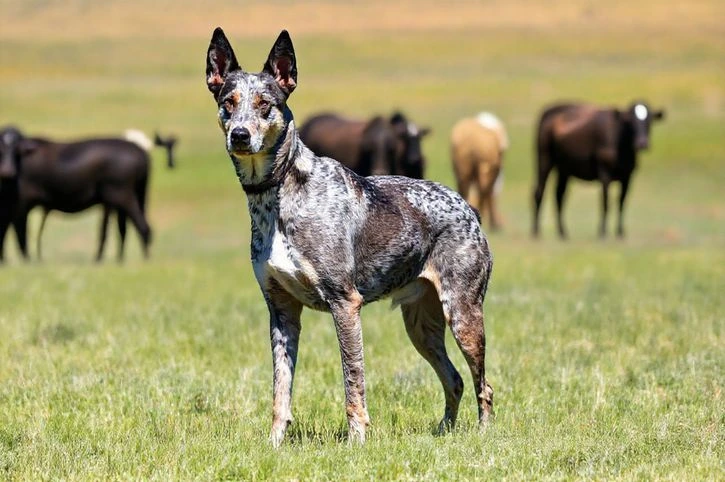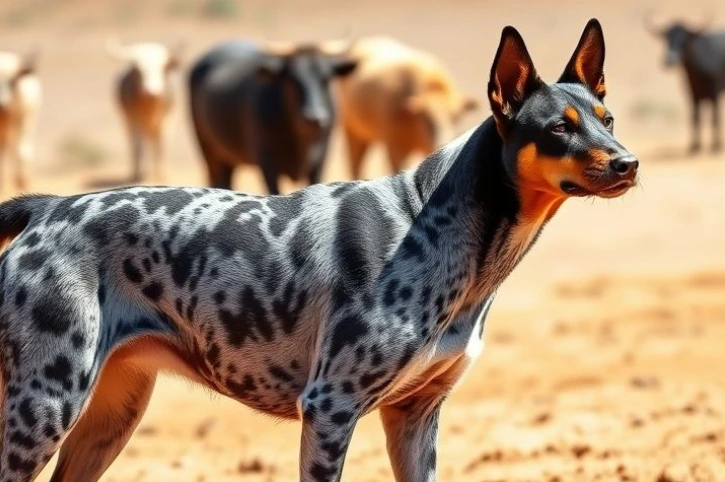
Blue Heeler Dogs: Full Guide to the Australian Cattle Dog
Table of Contents
Picture a dusty Australian outback where a nimble dog darts around a herd of stubborn cattle, nipping at their heels to keep them moving. That’s the Blue Heeler in action, a tough breed born from the wild heart of the land down under. These dogs mix smarts and grit in a way that grabs your attention right away.
Blue Heeler dogs, or Australian Cattle Dogs, win hearts with their sharp minds and endless energy. They shine as working partners on farms, but they also make loyal family pets for folks who love an active life. This guide dives deep into their story, looks, personality, and care needs. You’ll get real tips to decide if a Blue Heeler fits your home.
History and Origins of the Australian Cattle Dog
Development in Australia
Farmers in 19th-century Australia faced huge challenges herding cattle over rough, hot lands. They needed a dog that could handle the heat and long distances without tiring out. Pioneers like Thomas Hall started crossing wild dingoes with smooth-haired collies to build that perfect herder.
These early mixes created tough pups with the dingo’s stamina and the collie’s smarts. Hall added black and tan kelpies to boost the nipping drive. By the late 1800s, these dogs proved their worth on vast cattle runs.
Kennel clubs took notice in the early 1900s. The Australian Cattle Dog got official status from groups like the Kennel Club of New South Wales in 1903. That step helped spread the breed beyond farms.
Evolution into Blue Heelers and Red Heelers
The blue and red coat colors came from careful breeding choices. Blue Heelers sport a speckled gray-blue look, while Red Heelers show a reddish tan shade. Both get their “Heeler” name from the way they bite at cattle heels to guide the herd.
Australia’s harsh sun and thorny bushes shaped these dogs. They grew independent to work alone over miles of open range. Heat tolerance let them thrive where other breeds would falter.
Over time, Heelers adapted to bigger stations with thousands of cows. Their speed and bite style made herding efficient. Today, you see both colors in shows and homes, keeping that outback spirit alive.
Legacy in Modern Herding and Beyond
Australian Cattle Dogs still rule ranches around the world. They help move livestock in places like the U.S. and Canada too. But many now live as pets, using their drive for sports like agility trials.
Their farm roots show in how they bond with owners who give them jobs. From guarding homes to joining hikes, they adapt well. The breed’s toughness helps in search-and-rescue work.
Want to trace a Blue Heeler’s roots? Check registries like the American Kennel Club. Look for papers that confirm pure lines from Aussie stock. That ensures you get the real deal.
Physical Characteristics and Appearance
Size, Build, and Coat Details
Blue Heeler dogs have a sturdy, medium frame that screams ready-for-action. Males stand about 18 to 20 inches at the shoulder, while females hit 17 to 19 inches. They weigh 35 to 50 pounds, all muscle without extra fat.
Their short double coat comes in blue or red speckles, often with black spots on the head. It’s weather-resistant, great for dusty trails or rainy days. The fur sheds a bit year-round, more in spring and fall.
Grooming stays simple for these pups. Brush once a week with a firm bristle tool to spread oils and catch loose hair. That keeps the coat shiny and cuts down on mess in your house.
Identifying Blue Heeler Traits
Spot a Blue Heeler by its alert eyes and perky ears that stand straight up. Tan marks often show on the muzzle, above the eyes, and over the paws. The body moves with grace, built for quick turns and sprints.
These dogs look athletic, like marathon runners crossed with wrestlers. Their tail curves slightly when happy, wagging with purpose. Purebreds have that even speckled pattern, no big blotches.
Males tend to bulk up more than females, but both share the same zippy build. In shelters, mixes might show softer ears or longer fur. Ask for breed tests if you’re not sure—DNA kits help sort it out.
Health Implications of Physical Traits
The strong build of Australian Cattle Dogs often leads to a long life, around 12 to 15 years. Their joints handle rough play well, but watch for hip issues from hard work. Early signs include limping after runs.
That muscular frame needs support to stay fit. Overweight dogs strain their hips faster, so keep portions right. Vets say regular checks catch problems early.
For working Heelers, add joint supplements like glucosamine. Schedule vet visits twice a year if they’re on the job. That way, their tough bodies last through active years.
Temperament and Personality Traits
Core Behavioral Characteristics
Blue Heelers pack brains and bounce into one lively package. They learn fast, often figuring out tricks on the first try. But their independent side means they might test your rules now and then.
Loyalty runs deep—they stick by your side like a shadow. That herding past makes them pushy with movement, nipping to “control” kids or other pets. Channel that energy, or boredom sets in with chewed shoes.
These dogs thrive on purpose. Give them tasks, and you’ll see their true spark. Without it, they get antsy and vocal.
Interaction with Family and Strangers
With family, Blue Heelers turn into cuddle bugs after a good run. They form tight bonds, especially with active kids who play rough. But supervise young ones—their nips can surprise.
Strangers get a wary glance at first. These pups make solid watchdogs, barking at odd noises. Train them young to greet folks calmly, not on guard all the time.
Socialization matters big time. Take them to puppy classes where they meet dogs and people. That cuts down on shy or snappy reactions later.
Suitability for Different Lifestyles
Active families find a match in Blue Heeler dogs—they love hikes and fetch games. But couch potatoes? Not so much. These pups need 1 to 2 hours of exercise daily to stay happy.
Apartments work if you commit to walks and play. Just expect zoomies if they’re cooped up. Around kids, they do well with training to handle the chaos.
Sedentary homes spell trouble. Bored Heelers dig holes or herd the cat. Pick this breed if your life includes runs, biking, or yard work. Daily routines like herding balls keep them content.
Care and Training Essentials

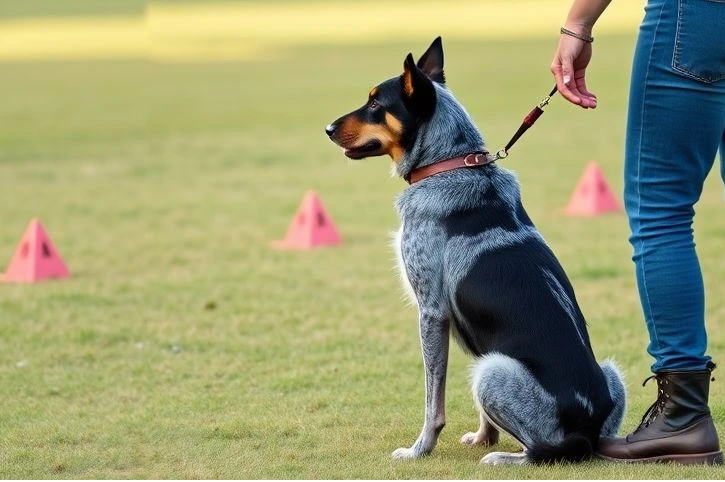
Daily Exercise and Mental Stimulation
Australian Cattle Dogs burn energy like wildfire. Long walks or jogs twice a day fit the bill. Add fetch or frisbee to mimic herding fun.
Boredom leads to trouble, so mix in brain games. Puzzle feeders hide kibble for them to solve. Aim for 60 to 90 minutes of play total—split it up to match your schedule.
Try agility courses at home with jumps and tunnels. That tires their body and mind. Watch how they light up when challenged.
Nutrition and Grooming Routines
Feed high-protein food to fuel their drive—look for 25% protein in kibble. Working dogs need more calories, up to 1,500 a day. Pets do fine on 1,000, split into two meals.
Portion control fights weight gain. Use a measuring cup and adjust for activity. Fresh water always, especially after runs.
Grooming takes little time. Bath every few months, but brush weekly to handle sheds. Clean ears with a damp cloth to stop infections—those upright ones trap dirt easy.
Training Methods and Socialization
Positive vibes work best for these quick learners. Reward with treats or praise for good sits and stays. Harsh words just make them tune you out.
Start early with basics like “come” and “leave it.” That curbs heel-nipping around the family. Consistency pays off—their smarts mean they catch on fast.
Enroll in obedience classes for social skills. Expose them to noises, crowds, and other animals young. A well-trained Blue Heeler becomes a joy, not a handful.
Health Concerns and Wellness Tips
Common Health Issues
Blue Heelers face eye problems like progressive retinal atrophy, which dims sight over time. Deafness hits some blue-coated ones due to a gene called merle. Hip dysplasia creeps in from their active bones.
About 10% of the breed deals with hearing loss, per vet studies. Eye checks catch issues early. Genetic tests spot risks before breeding.
Other woes include allergies or osteochondritis in joints. Watch for limps or red eyes. Quick vet trips help.
Preventive Care Strategies
Vaccines shield against parvo and rabies—follow the puppy schedule. Dental chews keep teeth clean, as plaque builds fast. Keep weight in check; the AVMA notes 59% of dogs battle obesity.
Annual exams spot hidden troubles. Flea preventives stop itchy skin. For active pups, heartworm meds year-round save lives.
Track changes like less pep or odd walks. That lets you act before small issues grow.
Lifespan Extension Practices
Joint pills with fish oil ease aches in older dogs. Balanced walks keep them moving without strain. Holistic bits like omega-3s support coats and hearts.
Breed rescues offer tips from folks who’ve cared for seniors. Adopt one, and you learn hands-on. Aim for that full 15 years with steady care.
Feed senior formulas low in calories but rich in nutrients. Play gentle games to stay sharp. Your efforts make their golden years golden.
Conclusion
Blue Heeler dogs blend outback grit with a loving heart, making Australian Cattle Dogs a top pick for the right home. Their smarts, energy, and loyalty shine through every wag and nip. From history to health, this guide shows what makes them tick.
Key points? Commit to daily runs, smart training, and vet watches to keep them thriving. These pups reward effort with endless fun and protection. Do you have the space and time for their zip?
If yes, check local breeders or rescues for your Blue Heeler match. A quick lifestyle check now saves headaches later. Bring one home, and watch the adventures begin.
FAQ
1. How do Blue Heelers fit into the Australian Cattle Dog breed?
They are the blue-coated variety of the Australian Cattle Dog.
2. Are Blue Heelers suitable for families with children?
Yes, with training and supervision, they do well with active kids.
3. What is the history and origin of Blue Heeler dogs?
They were bred in 19th-century Australia by crossing dingoes with herding breeds.
4. What are the typical temperament traits of Blue Heelers?
They are intelligent, loyal, energetic, and protective.
5. How much exercise do Blue Heelers need on a daily basis?
They need 1–2 hours of physical and mental activity each day.