How To Pick The Right For Health Dog Food For Your Dog’s Needs
Table of Contents
How To Pick The Right For Health Dog Food For Your Dog’s Needs
Choosing the right dog food is essential for ensuring your furry friend’s health and well-being. With countless options available on the market, it can be overwhelming to determine which formula best meets your dog’s unique nutritional needs. Factors such as age, breed, weight, and any specific health issues play crucial roles in making the right choice. This guide will help you navigate the complexities of dog food selection, offering insights into what to look for, how to evaluate ingredients, and the importance of consulting with your veterinarian for tailored advice. By making informed decisions, you can provide your dog with a balanced diet that supports a long and happy life.
Understanding Your Dog’s Nutritional Requirements
Age and Life Stage Considerations
Puppies are mini tornadoes of energy and growing bones, which means they need a specific diet rich in calories, protein, and essential nutrients. Conversely, senior dogs might be more couch potatoes than cheetahs, requiring fewer calories but still needing those all-important nutrients to keep their aging bodies spry. So whether your pup is a bouncy baby or a venerable old sage, tailor their food to match their life stage for optimum health.
Activity Level and Lifestyle for health dog food
Is your dog a high-octane athlete or more of a laid-back snooze master? Active dogs need food that fuels their adventures—think protein-packed diets that support their energetic escapades. On the flip side, couch potatoes might need a lighter formula to keep their waistlines in check. Taking a moment to assess your dog’s daily routine can help you choose a diet that’ll keep them healthy and happy, without sending their calorie count off the charts.
Evaluating Ingredients: What to Look For
High-Quality Protein Sources
Your dog is a carnivore at heart (even if they occasionally act like they’d prefer a slice of pizza). Look for animal proteins like chicken, beef, or fish as the first ingredient. These ingredients are the building blocks for your pup’s muscles, energy, and overall health. Beware of vague terms like “meat by-products”; they’re about as appetizing as a sock left in the laundry basket.
Essential Fats and Carbohydrates
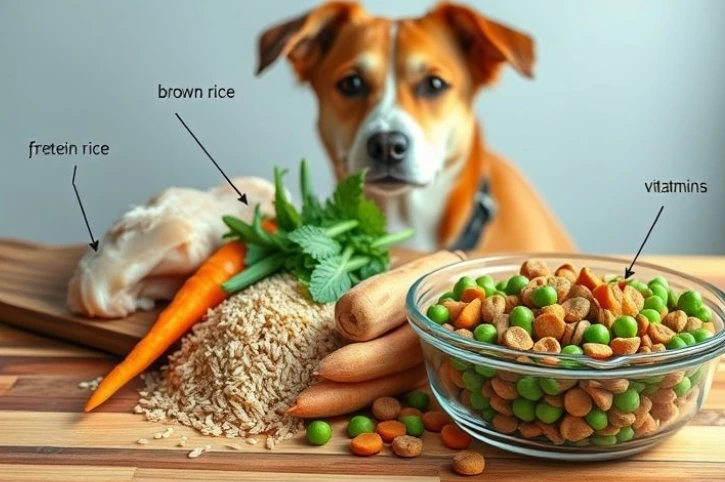
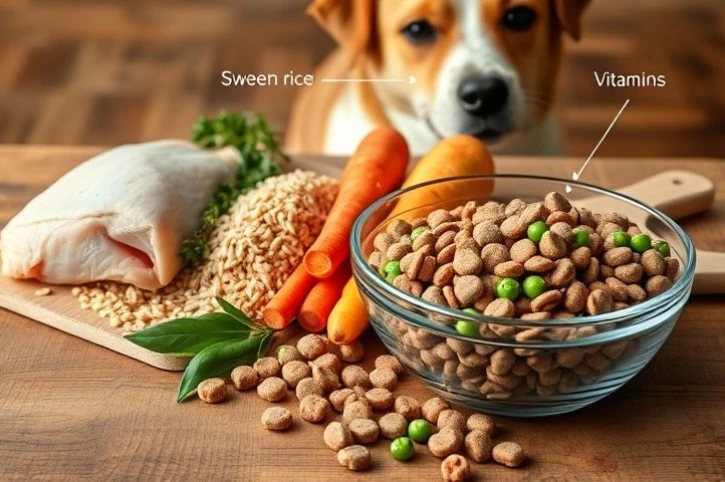
Fat isn’t the enemy! In fact, healthy fats like omega-3 and omega-6 are essential for maintaining a shiny coat and supporting brain health. Meanwhile, carbohydrates provide the necessary energy punch for playtime! Look for easily digestible carbs like brown rice or sweet potatoes as part of the mix. Just remember: balance is key, and too much of a good thing can lead to a doggy donut instead of a lean, mean pup machine.
Vitamins and Minerals
Just like we need our veggies, dogs require a range of vitamins and minerals to thrive. Look for foods fortified with nutrient powerhouses like vitamin A, vitamin E, and calcium, which help maintain strong bones and immune systems. If you spot things like “chelated minerals,” consider it a gold star since they’re more bioavailable and easier for your dog to absorb. Think of it as the secret sauce in your pup’s culinary adventure!
Recognizing Common Health Issues in Dogs
Food Allergies and Sensitivities
Some dogs have the digestive systems of tiny divas who refuse to tolerate certain ingredients. Common culprits include grains, dairy, and certain proteins. If your dog is prone to itching, ear infections, or surprise explosions in the backyard, it may be time for a food re-evaluation. Consider hypoallergenic or limited-ingredient diets until you find the right culinary match for your sensitive pup.
Obesity and Weight Management
Paws up if your dog is living their best life, but perhaps enjoying an extra treat or two. Overweight dogs can face a host of health issues, from joint pain to heart problems. Look for weight management formulas that help reduce calories while still providing essential nutrients. And remember, portion control isn’t just for your New Year’s diet—your dog will benefit, too!
Digestive Health Concerns
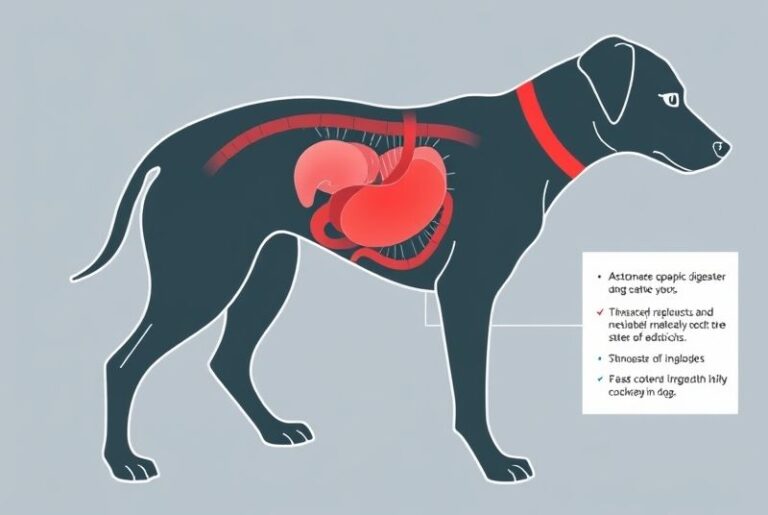
A happy tummy means a happy dog! If your pup has been experiencing hiccups (and not the adorable kind), it’s worth looking at their diet. Foods with probiotics, prebiotics, and fiber can help keep their digestive tract happy and healthy. If only it were that easy to solve our own tummy troubles, right? Keep your dog’s belly in check, and you’ll both be happier for it.
Types of Dog Food: Dry, Wet, Raw, and Homemade
Pros and Cons of Each Type
Dry kibble is the go-to for many dog owners: it’s convenient, lasts long, and helps keep those pearly whites squeaky clean. Wet food can be a delectable treat—ideal for picky eaters or those needing a little extra hydration. Raw diets can be a controversial but often nutritious option, while homemade meals let you channel your inner chef (bonus points for adding a pinch of love!). Ultimately, each type has its pros and cons, so consider your dog’s unique needs and your lifestyle when making your choice.
Choosing the Right Consistency for Your Dog
Some dogs are like Goldilocks—too dry, and they won’t touch it; too wet, and they’ve got a disdainful glare down pat. When choosing the consistency of food, think about your dog’s chewing habits and preferences. If they gobble down their meals in seconds, dry kibble may be your best bet. If they savor every morsel like a fine dining experience, then wet food or a mix might be the way to go. Mixing it up could also be the answer; a little variety never hurt anyone (except maybe your dog’s food bowl!).
Importance of Breed-Specific Formulas
Understanding Breed Nutritional Needs
When it comes to dog food, one size definitely does not fit all. Different breeds have unique nutritional needs based on factors like size, energy level, and health predispositions. For instance, a Great Dane might require a diet rich in joint-supporting nutrients, while a Chihuahua may need smaller kibble that’s easier to chew. Choosing formulas designed for your dog’s breed helps ensure they’re getting the right balance of nutrients to support their specific lifestyle and wellbeing.
Tailoring Diets for Large vs. Small Breeds
Large and small breeds are like apples and oranges—both are fruit but taste different and require different care! Large breeds often require lower-calorie diets packed with joint health supplements to stave off the effects of their stature. On the flip side, small breeds may need higher calorie content in smaller bites to match their faster metabolisms and smaller tummies. It’s all about customizing their chow to match their size and energy demands—so they can keep being the majestic or feisty little companions we love!
Consulting with Your Veterinarian
When to Seek Professional Advice
Your vet is like a trusted GPS for your dog’s health journey—only they’re way better at diagnosing conditions than your phone is at navigating traffic. Whenever you consider changing your dog’s diet, or if you notice any unusual behavior or health issues, it’s time for a chat with your veterinarian. They can help you sift through the countless options and find the best diet tailored to your dog’s needs.
Understanding Veterinary Recommendations
Ever try following a recipe that didn’t include measurements? That’s what feeding your dog without professional guidance can feel like. Vets have the expertise and experience to recommend food that not only meets your pup’s daily nutritional requirements but also accommodates any health considerations they might have. So, when your vet suggests that special renal diet or grain-free option, it’s worth listening—they’re not just trying to sell you the fancy kibble.
Transitioning to a New Dog Food
Steps for a Smooth Transition
Switching your dog’s food is like introducing a new dance move—too sudden, and they might step on their own paws! To ensure a smooth transition, start by mixing a small amount of the new food with their current diet—about 25% new to 75% old for the first few days. Gradually increase the new food while decreasing the old over the span of a week to 10 days. This “slow and steady” approach helps minimize digestive issues and gives your dog time to adjust without any drama.
Signs of an Adverse Reaction
Just like how we might turn green after overindulging in bad takeout, dogs can have adverse reactions to new food too. Watch for signs like vomiting, diarrhea, or excessive itching. If your pup isn’t all puppy eyes and wiggly butt after you switch their food, it may be time to head back to the drawing board (or the vet’s office!). Keeping an eye on your dog’s reactions ensures they’ll enjoy mealtime instead of regretting it!
Monitoring Your Dog’s Health and Adjusting Diet
Regular Check-ups and Assessments
Making a habit of regular vet visits is like giving your dog’s diet a wellness check-up. These visits allow you to assess their weight, coat condition, and overall health—and give you a chance to discuss their food. Vets can provide valuable insight into whether your dog’s current diet is cutting it or if it’s time to revamp the menu.
Signs Your Dog’s Diet Needs Adjustment
Your dog can’t say if their food is bad, but they show it. Watch for changes in weight, energy, or poop. A dull coat or low energy means their food might not be working. Trust your gut and ask a vet if you’re not sure—your dog deserves to feel good! Choosing the right food is key to a happy, healthy dog. Know their needs, check ingredients, and ask your vet. Watch their health and change their diet as needed for an active life. Good food means more fun together.
FAQ: For Health Dog Food
How can I determine my dog’s specific dietary needs?
To determine your dog’s specific dietary needs, consider factors such as their age, breed, weight, activity level, and any existing health issues. Consulting with your veterinarian can provide tailored recommendations based on these factors.
What are the signs that my dog may be allergic to their food?
Signs of food allergies in dogs can include itching, skin irritations, gastrointestinal issues like vomiting or diarrhea, and changes in appetite or behavior. If you suspect a food allergy, consult your veterinarian for guidance.
Is it necessary to choose a breed-specific dog food?
While it is not strictly necessary, breed-specific dog foods are formulated to address the unique nutritional needs of different breeds. These formulas can provide tailored support for factors like size, metabolism, and common health concerns, potentially benefiting your dog’s overall health.
How should I transition my dog to a new food?
To transition your dog to a new food, gradually mix the new food with the old food over a period of about 7 to 10 days. Start with a small amount of the new food, gradually increasing the proportion while decreasing the old food to minimize digestive upset.