How to Groom Your Cat Without Stress: 1 Best Solution
Why It’s Important to Groom Your Cat
Get to Know Your Cat First
What You Need
How to Groom Your Cat: Step-by-Step
Problems and Solutions
Other Tips
When to Get Help
Breeds That Need More Grooming
Grooming = Bonding
Table of Contents
Cats are pretty good at keeping themselves clean, but it’s still important to groom your cat regularly to help them stay healthy and comfortable.. You’ve probably seen your cat lick and groom itself a lot. But even though they do a lot on their own, they still need us to help them stay clean and healthy.
Sometimes, trying to groom a cat feels like a fight with lots of scratches and angry meows. But it doesn’t have to be like that. If you’re patient and do things the right way, grooming can be a nice way to bond with your cat.
This guide will show you how to groom your cat without freaking either of you out.
1 Why It’s Important to Groom Your Cat
Cats are good at staying clean, but they can’t do everything themselves. Here’s why you should groom your cat:
It stops their fur from getting matted and cuts down on hairballs
It means less shedding
It helps you spot skin problems, fleas, or injuries early
It keeps their skin and fur healthy
It helps you bond with your cat
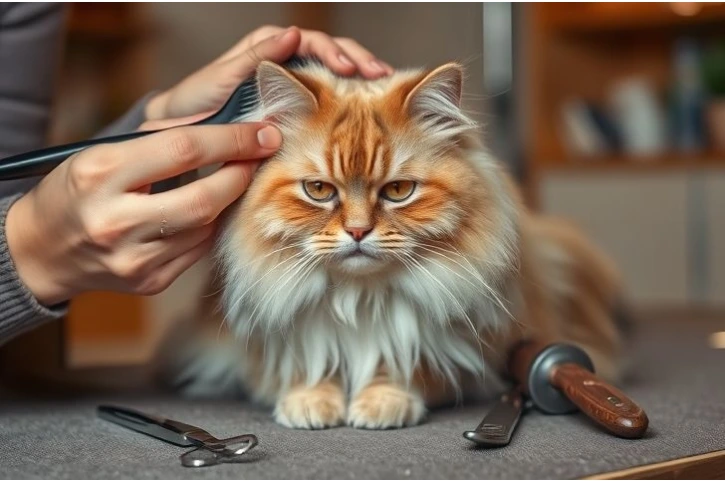
Long-haired cats like Persians need more help, but even short-haired cats can benefit from a weekly brush.
Want to know about cat health? Read our article Top Cat Health Problems and Ways to Dodge Them.
2 Get to Know Your Cat First
Cats are easily bothered by touch, sounds, and quick movements. If you rush or hold your cat too tight, they might get scared or angry.
Before you groom:
See how your cat is feeling (don’t groom if they’re too energetic)
Pick a calm time, like after they’ve eaten or woken up
Find a place where your cat feels safe
Remember: Don’t force it. If your cat walks off, let them. Try again later.
3 What You Need
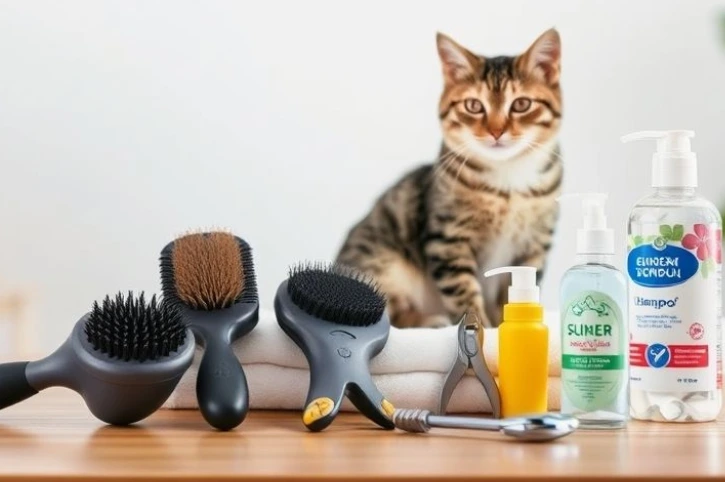
Having the right tools makes grooming easier. Here’s what you’ll need:
Tool What It’s For How Cats Feel About It
Slicker brush Gets rid of knots Okay for long-haired cats
Fine-tooth comb Removes loose fur and fleas Most cats are okay with this
Deshedding tool Less shedding and hairballs Use gently, once a week
Nail clippers Trims sharp claws Only use when they’re calm
Pet wipes or wet cloth Quick cleanups Good for cats who hate water
Cat shampoo (gentle) Baths when needed Only when they’re really dirty
Tip: Let your cat sniff the tools first. That way, they won’t be as scared.
4 How to Groom Your Cat: Step-by-Step

For detailed, step-by-step cat grooming tips, check out the Cat Fanciers’ Associations’ guide. It’s got some good advice.
1. Start with a Brush
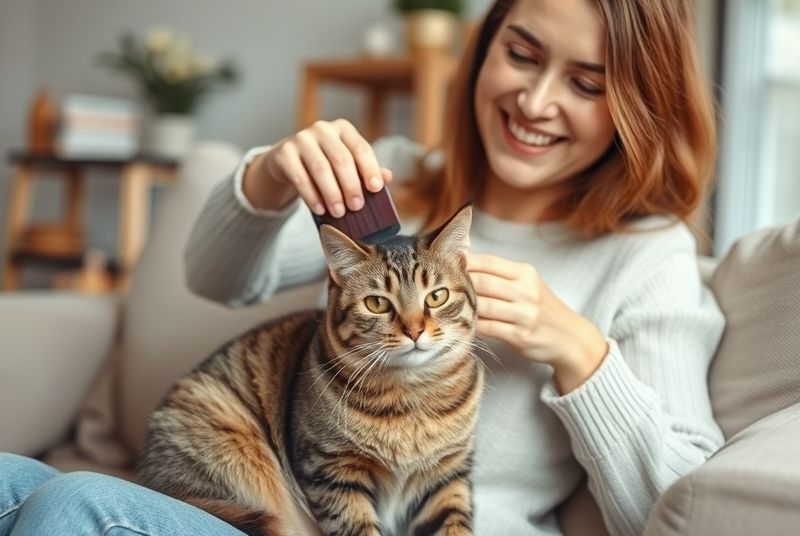
Start with something easy, like brushing.
Brush gently along their back. Stay away from spots they don’t like at first.
Watch how they react: purring means they’re happy, twitching means they’re annoyed.
Keep it short: even 2–3 minutes is good to start.
Give them treats to make it a good thing.
Brush short-haired cats 2–3 times a week, and long-haired cats every day.
2. Clean Ears and Eyes
Cats can get wax in their ears or discharge around their eyes, especially some breeds.
Use a soft cotton pad or pet wipe.
For eyes, wipe from the inside corner to the outside.
For ears, only clean what you can see. Don’t stick anything in their ear.
If you see redness, swelling, or a bad smell, call your vet.
3. Trim Those Claws
Lots of cats don’t like having their nails trimmed. Here’s how to make it easier:
Wait until your cat is sleepy.
Use nail clippers made for cats.
Gently press their paw to get the claws out.
Only clip the tip—don’t clip the pink part inside.
Do one paw at a time if you need to.
Give your cat a treat afterward.
Don’t force it. If your cat pulls away, stop.
4. Baths—Only When Needed
Most cats don’t need baths. But if they get really dirty or can’t clean themselves, you might need to give them one.
Use warm water and cat shampoo
Keep it short (5 minutes max)
Don’t get their face wet—use a damp cloth
Dry them with a soft towel and keep them warm
Or, use waterless shampoo if your cat hates water.
5. Make It Fun
Cats learn best when things are positive. Use:
Nice words and petting
Treats during and after
Short sessions, working your way up
Soon, your cat will think grooming is a good thing.
5 Problems and Solutions
Problem Why It Happens What to Do
Cat runs away Scared or had a bad experience Go slow, use treats, don’t force it
Hisses or growls Too much, uncomfortable Stop, try again later
Matted fur Not enough brushing Use a special comb gently
Scratches or bites Pain or scared Use calming sprays
6 Other Tips: Groom Your Cat Tips
Do it at the same time every day or week
Play with your cat first
Use calming sprays
Don’t rush
Praise your cat
Remember: It doesn’t have to be perfect, just regular.
7 When to Get Help To Groom Your Cat
If your cat’s fur is badly matted or your cat gets aggressive, see a professional groomer or your vet.
Look for groomers who work with cats.
8 Breeds That Need More Grooming
Some cats need more grooming than others:
Persian – eyes get discharge, fur gets matted
Maine Coon – thick fur needs daily brushing
Ragdoll – fur tangles easily
Sphynx – needs skin cleaning
British Shorthair – thick fur needs brushing
Know what kind of cat you have and groom them accordingly.
9 Groom Your Cat = Bonding
Grooming isn’t just about keeping your cat clean—it’s about showing them love and keeping an eye on their health. If you do it right, it can be a good thing for both of you.
Be patient and gentle. Over time, your cat might even enjoy it! And you’ll know you’re taking good care of your furry friend.