How Long Do Cats Live? Discover The Secrets Of Longevity
Table of Contents
How Long Do Cats Live? Discover The Secrets Of Longevity
Cats are beloved companions that bring joy and comfort to millions of households around the world. Understanding how long our feline friends can live is crucial for pet owners seeking to provide the best care throughout their lives. While the average lifespan of a cat typically ranges from 12 to 15 years, many factors influence longevity, including genetics, diet, lifestyle, and healthcare. In this article, we will explore the secrets of cat longevity, examining the essential elements that contribute to a healthy, happy life for your furry companion. From breed-specific traits to best practices in nutrition and veterinary care, discover how to enhance your cat’s years and ensure they thrive well into their golden age.
Understanding Cat Lifespan: Factors Influencing Longevity
Genetics and Heredity
Cats are like fine wine—some just have better grapes. Genetics play a huge role in determining how long your feline friend will grace your home with their presence. Certain breeds are predisposed to live longer, while others may face a few more health challenges. If your kitty comes from a long line of spry seniors, there’s a good chance they’ll inherit that longevity, too!
Environmental Influences
Ah, the great indoors versus the wild outdoors debate! While indoor cats tend to live longer due to fewer dangers (like cars, predators, and the neighbor’s dog), outdoor cats have more room to roam—but can be subject to a host of risks. Creating a safe environment for your cat can significantly increase their lifespan. Think cozy spots to nap, engaging toys, and, of course, a quality sunny window seat for the ultimate sunbathing experience.
Owner Care and Lifestyle Choices
You are, after all, the ultimate cat parent. Your choices directly impact your cat’s happiness and health. Regular playtime, proper grooming, and mental stimulation can help your furry friend live their best life. Also, let’s not forget about those cuddle sessions; a little love can go a long way in promoting both emotional and physical well-being!
The Impact of Breed on Cat Lifespan
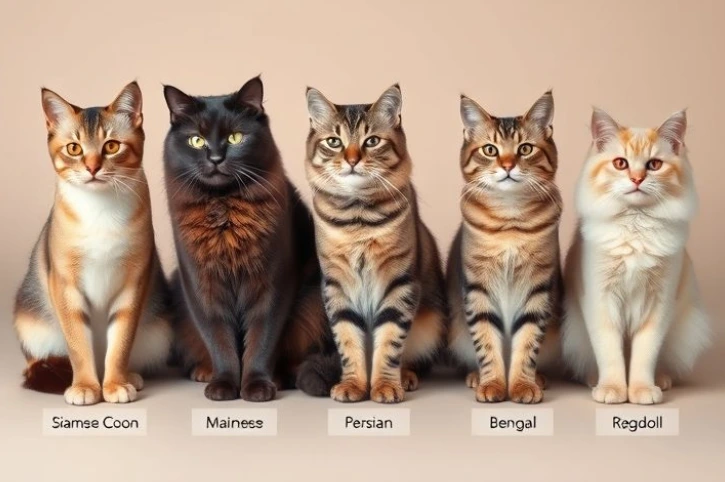

Common Cat Lifespan by Breed
Some dog breeds are like the tortoise: slow but sure wins! For example, Siamese cats might live up to 15 years, while Maine Coons often nudge the 12-year mark. Of course, there are exceptions, but knowing the average lifespans of various breeds can give you a ballpark figure for your feline’s future.
Unique Health Considerations for Specific Breeds
Each cat breed has its own quirks just like family traits. Persian cats are adorable but can suffer from respiratory issues, while Bengals are known for their high energy levels. Understanding your cat’s specific breed traits can help you be proactive about their health, keeping those extra vet visits at bay!
Nutrition and Diet: Key to a Long Life
Essential Nutrients for Cats
Cats are obligate carnivores, which means they thrive on a diet rich in animal proteins. Think of it as their version of a Michelin star meal! Key nutrients—such as taurine for heart health, omega fatty acids for a shiny coat, and essential vitamins—support their overall well-being. It’s not just about filling the bowl; it’s about filling it with quality!
Feeding Practices for Optimal Health
Feeding your cat isn’t just a “set it and forget it” gig. Portion control, regular feeding schedules, and a balanced diet are crucial. You wouldn’t want to binge on chips every day (no matter how tasty!), so why subject your kitty to the same fate? A healthy diet can lead to a longer life, and let’s be real, fewer vet bills in the long run!
Common Dietary Mistakes to Avoid
Sometimes, even the best pet parents slip up. Overindulgence in treats, unsafe human foods, and shiny packaging can lead to devastating diet mistakes. Keep an eye on those sneaky ingredients and always double-check before introducing anything new. Your cat’s diet should be as clear and straightforward as a good cat meme—no confusing additives allowed!
Regular Veterinary Care: Preventive Health Measures
Importance of Routine Check-ups
Picture this: your cat strutting into the vet’s office like they own the place. Routine check-ups are crucial for spotting potential issues before they become major problems. Regular visits help monitor your cat’s health, keeping those little paws prancing around for many years to come. Plus, who wouldn’t want an excuse to shower their cat with treats after?
Vaccinations and Preventive Treatments
Vaccines may not be as thrilling as catnip, but they are essential for your kitty’s health. Keeping up with vaccinations and preventive treatments shields your feline friend from those nasty bugs that could cause serious harm. It’s like giving your cat a superhero cape—one that protects them from the villains of the veterinary world!
Monitoring Health Changes Over Time
Cats are subtle when it comes to showing discomfort, and often their refusal to play with their favorite toy is the first sign that something’s amiss. Regularly monitoring your cat’s behavior, appetite, and grooming habits can help you catch health changes early. After all, you know your fur baby better than anyone—trust that intuition!
Indoor vs. Outdoor Living: Which is Better for Longevity?
Benefits of Indoor Living
Indoor living is like a spa retreat for cats. It provides a safe haven, free from the dangers of traffic, predators, and diseases. Cats that live indoors tend to have a longer lifespan, averaging 12 to 15 years, compared to their outdoor friends who might only make it to 7. Indoor cats can also enjoy climate control, regular meals, and less stress—unless you count that time you tried to dress them up in a Halloween costume.
Risks Associated with Outdoor Living
While outdoor cats get to experience the thrill of the chase (and the occasional sunbeam), they also face numerous risks. From traffic accidents to fights with other animals, outdoor living can be a perilous adventure. Moreover, they’re exposed to diseases like feline leukemia and parasites that can wreak havoc on their health. So, while the great outdoors calls, it might be safer to keep your feline friend inside, where they can’t become a four-legged casualty of the urban jungle.
Creating a Safe Outdoor Experience
If your cat has dreams of being the next Hemingway, consider a compromise with a safe outdoor experience. Catios (fancy cat patios) allow your furball to bask in the sun without the hazards of the wild. You could also harness train them for supervised excursions. Just remember to keep a close eye on them—cats can be sneaky, and Houdini-level escapes can happen in seconds!
Common Health Issues Affecting Aging Cats
Chronic Conditions and Their Management
As cats age, they may develop chronic conditions like arthritis, diabetes, and kidney disease. Regular vet visits are crucial for early detection and management. Medications, dietary changes, and lifestyle adjustments can help keep your senior cat comfortable and happy. Plus, who doesn’t love a little extra pampering? Your cat might enjoy a few more snacks while you try to sneak in the “diet” part.
Signs of Aging to Watch For
Watch for changes like weight loss, decreased energy, or altered grooming habits—these can be the telltale signs that your cat is aging. You might also notice changes in litter box habits or a decline in appetite. Stay vigilant! If your feline starts looking like an old grump, it’s time to schedule a vet check-up. Trust us, they’ll appreciate your attention (even if they do give you the side-eye).
The Role of Exercise and Mental Stimulation
Physical Activities for Cats
Cats may not run marathons, but they still need exercise! Interactive play, like laser pointers and feather wands, helps keep their whiskers twitching and their hearts healthy. Encourage short bursts of activity—cats are sprinters, not marathoners. So, channel your inner cat whisperer, and get those furry feet moving while you stand there like an amused spectator.
Engaging Toys and Games
Invest in engaging toys that stimulate your cat’s natural hunting instincts. Puzzle feeders, toy mice, and crinkly balls can keep them entertained for hours and, as a bonus, crack you up with their silly antics. Rotate toys regularly to keep things fresh; nothing says “boredom” like a cat ignoring a toy they’ve had since last Christmas.
The Importance of Social Interaction
Cats thrive on social interaction (yes, even the aloof ones). Spend time cuddling, playing, or just lounging around together. They’ll appreciate the bonding time—plus, you get to enjoy the ultimate stress relief of pet therapy. Just remember, every cat has its limits, so when they give you the “I’m done here” stare, respect their need for some solo time.
Tips for Enhancing Your Cat’s Quality of Life
Creating a Comfortable Living Environment
Comfort is key! Provide cozy beds, sunny windowsills, and hiding spots. Cats are like small furry royalty who love their kingdom to be just so. A clutter-free environment, with plenty of vertical spaces like shelves or cat trees, will help them feel safe and happy. Plus, who doesn’t enjoy a good sunbeam nap?
Regular Play and Engagement Strategies
Incorporate regular playtime into your cat’s daily routine. Even a few minutes of interactive play can help keep their minds sharp and bodies fit. Schedule a routine that works for both of you—after all, you’re not just their servant; you’re their loyal playmate (and sometimes their designated snack dispenser).
End-of-Life Care and Considerations
Planning your cat’s final care is tough but needed. Talk to your vet about comfort care and humane euthanasia. Remember the good times and love they gave you.Taking care of your cat means giving them good care, food, vet visits, and a safe, fun place to live. Every cat is different, so love and attention make a big difference.
FAQ : How Long Do Cats Live
How long does a domestic cat typically live?
The average lifespan of a domestic cat typically ranges from 12 to 15 years, though many can live into their late teens or even early twenties with proper care.
Do indoor cats live longer than outdoor cats?
Yes, generally, indoor cats tend to live longer than outdoor cats due to reduced exposure to hazards such as traffic, predators, and diseases.
How can I tell if my cat is aging?
Signs of aging in cats may include decreased activity, changes in appetite, weight loss or gain, altered grooming habits, and increased vocalization. Regular veterinary check-ups can help monitor these changes.
Are there specific breeds known for their longevity?
Yes, certain breeds, such as Siamese, Burmese, and Ragdolls, are often noted for their longer lifespans. However, individual health and care play a significant role in longevity as well.