The Ultimate Guide To The Cat That Looks Like A Leopard
Table of Contents
The Ultimate Guide To The Cat That Looks Like A Leopard
The allure of cats that resemble leopards has captivated many animal lovers and pet enthusiasts. Known for their strikingly beautiful coats and playful personalities, these feline companions offer a unique blend of exotic appeal and domestic charm. In this ultimate guide, we will explore the various breeds that exhibit leopard-like features, delve into their characteristics, behaviors, and care requirements, and provide valuable insights for those considering adding one of these remarkable cats to their family. Whether you’re drawn to their stunning appearance or intrigued by their wild ancestry, understanding these fascinating creatures is key to becoming a responsible and loving owner.
Introduction to the Leopard-Like Cat
What Makes a Cat Look Like a Leopard?
If you’ve ever spotted a cat that makes you do a double-take, it’s likely because of a few feline features that scream “wild.” The magic lies in their spots, sleek body, and that confident strut that makes you feel like you’re in a nature documentary. Leopard-like cats often have a muscular build and a coat pattern that resembles the big cats we admire from afar, giving them an exotic edge without the need for a jungle safari.
Popular Breeds with Leopard-Like Features
Several cat breeds have taken inspiration from their wild leopard cousins. The Bengal cat is the most famous, often sported with a stunning coat of rosettes and spots. The Ocicat, with its striking spotted coat and playful energy, also joins the ranks. Don’t forget the Savannah cat, an adventurous hybrid that makes you feel like you’ve just adopted a mini leopard. Each breed brings its own unique charm while echoing that wild aesthetic we find so irresistible.
Characteristics of the Leopard Cat
Physical Appearance
Leopard-like cats are typically medium to large in size, boasting strong, athletic physiques. Their long legs and large ears not only enhance their predatory allure but also provide them with exceptional hearing and agility. Those captivating eyes? Well, they range from green to gold, and let’s just say, they can melt your heart faster than a cat video on the internet.
Coat Patterns and Colors
When it comes to their fur, think of a canvas splashed with spots and rosettes that mimic the wild. Bengal cats often flaunt a glittery sheen that makes them look like they just stepped off a runway in Paris. Meanwhile, Ocicats might show off a more uniform blend of spots and stripes. Colors vary from golden brown to charcoal gray, giving each breed its own flair while maintaining that “I could be a leopard” vibe.
Size and Weight Comparison
Generally, these feline beauties range from 8 to 20 pounds. Bengals tend to be on the upper side of the scale, while Ocicats hover closer to the middle. When you compare them to typical domestic cats, they might weigh a little more, thanks to all those flexing muscles. No need for a gym membership with these cats around; a few play sessions will keep them— and you— in tip-top shape!
Natural Habitat and Distribution
Geographical Range
While you won’t find these cats freely roaming the savannahs or rainforests, their ancestry can be traced back to more exotic locales. The Bengal originates from a cross between an Asian leopard cat and a domestic cat, which means it has a taste for adventure. Ocicats, on the other hand, are purely domestic but mimic the look of wild cats without needing a passport. You can usually find them lounging luxuriously in homes around the globe, unless they’re plotting world domination, of course.
Adaptations to Environment
These cats are not just pretty faces; they’re equipped with some impressive adaptations. Their keen eyesight allows them to spot movement even in dim lighting, perfect for hunting… or spying on your snack habits. The strong, agile bodies help them leap and climb, giving them the versatility to tackle both playtime and potential prey—like that pesky feather toy that just won’t stay still.
Behavior and Temperament
Socialization with Humans
Don’t let their wild looks fool you; leopard-like cats can be quite the affectionate companions. Bengals are known for their playful nature, often following their humans around like a shadow. They enjoy interactive play and will often remind you that they need your attention—preferably when you’re on a conference call. Ocicats also love to bond with their humans, turning every household moment into a potential bonding experience.
Interaction with Other Pets
These cats can get along with other pets—if properly introduced. Bengals, being playful and energetic, might see smaller pets as potential playmates, while Ocicats generally have a friendly disposition. Just keep an eye out; not all pets share the same social calendar, and some may prefer to keep their distance from an overly enthusiastic feline friend.
Playfulness and Activity Level
Get ready for a party because leopard-like cats are high-energy bundles of joy! They love to run, jump, and climb, so investing in cat trees and interactive toys is a must. These cats thrive on playtime and mental stimulation, often turning your living room into their personal jungle gym. If you’re looking for a cat that will keep you entertained for hours, you’ve found your perfect match!
Care and Maintenance of Leopard Cats

Dietary Needs
Leopard cats thrive on a balanced diet that mimics what they’d eat in the wild—think high-quality protein. You can’t go wrong with premium cat food, especially those formulas rich in real meat. A mix of wet and dry food will keep their taste buds entertained and their hydration levels up. Just be cautious not to spoil them with too many treats; after all, no one wants a couch potato kitty!
Grooming Requirements
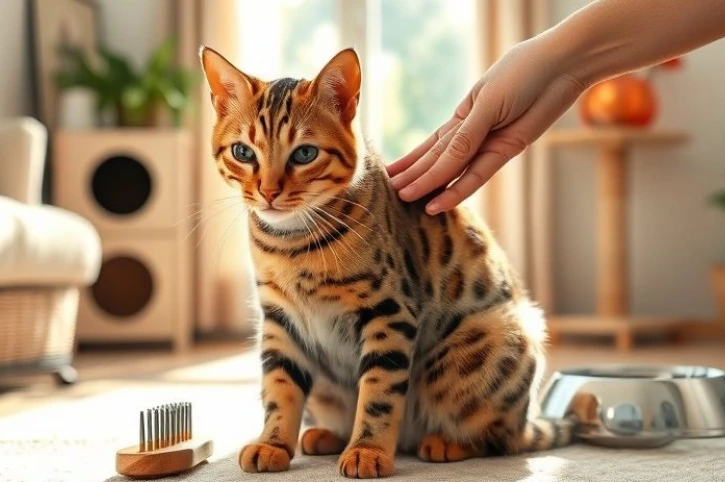
Fur-tunately, leopard cats are relatively low-maintenance when it comes to grooming! Their coats are short and sleek, requiring just a weekly brush to keep them looking fabulous and to reduce shedding. If they start to resemble a tumbleweed, you might want to step up your game! A bath every now and then can also help with any potential odors, but don’t worry; leopard cats aren’t divas about water.
Exercise and Enrichment
These active little felines need plenty of stimulation to keep their wild side satisfied. Aim for at least 30 minutes of playtime a day—think feather wands, laser pointers, or even a good ol’ fashioned cardboard box. Don’t forget vertical space! Cat trees and shelves are essential for climbing and pouncing. Trust us, your leopard cat will appreciate the workout, and so will your furniture!
Health Considerations
Common Health Issues
While leopard cats are generally robust, they aren’t immune to health hiccups. Common issues include dental problems, obesity (let’s avoid that couch potato life!), and genetic conditions like hypertrophic cardiomyopathy. Regular monitoring can help catch these concerns early, so keep an eye out for any strange behaviors or habits.
Veterinary Care and Regular Check-Ups
Your leopard cat will need to visit the vet at least once a year for check-ups. After all, nobody wants an uninvited guest in the medical drama that is pet ownership! Ensure vaccinations are up to date and discuss any questions about diet and exercise with your vet. Regular dental cleanings are also a must to keep that purring motor running smoothly!
Preventative Measures
Preventative care is your best friend! Invest in a good nutrition plan, regular exercise, and consistent veterinary visits. Additionally, consider spaying or neutering to avoid unwanted litters and health issues later in life. And, of course, keep an eye on your furball’s weight—because we all know a few extra treats can lead to a few extra pounds!
How to Choose a Leopard-Like Cat
Considerations Before Adoption
Before you dive into the leopard cat world, it’s essential to assess your lifestyle and environment. Do you have enough space for them to roam? Are you ready for a playful, sometimes mischievous companion? Understanding your own commitment level will help you make the right choice. They might look like tiny leopards, but they still need love, care, and plenty of attention!
Finding Reputable Breeders
If you’re looking to purchase, ensure you do your homework on breeders. Look for those who prioritize health and temperament and can provide you with health clearances and a detailed history of the cat’s parents. A responsible breeder should be more than happy to answer your questions; they’ll likely be proud of their cats and want to share that love!
Adoption vs. Purchase
Adoption is an admirable route if you’re open to it! Many leopard-like cats are waiting for homes in rescue shelters. You can give a deserving kitty a second chance while avoiding supporting less ethical breeding practices. If you decide to purchase from a breeder, do so with careful consideration. Either way, you’re about to gain a fantastic feline friend!
Conclusion and Final Thoughts: The Cat That Looks Like A Leopard
Recap of Key Points
In summary, caring for a leopard cat requires attention to their dietary needs, grooming habits, and exercise routines. Keep an eye on their health, make regular vet visits a priority, and consider adoption before rushing to purchase from breeders. It’s all about finding that perfect balance between feline fun and responsible pet ownership!
Final Recommendations for Prospective Owners
Before bringing home a leopard-like cat, make sure you’re ready for the commitment. They’re adventurous, energetic, and require daily care. Research, ask questions, and prepare your home for the new feline tornado (we mean, cutie). If you’re ready for all that joy and a little mischief, go ahead—embrace the wild side of kitty companionship!In conclusion, leopard-like cats offer a captivating combination of beauty, personality, and unique care needs. By understanding their characteristics, behaviors, and requirements, you can make an informed decision and provide a loving environment for your new feline friend. Whether you choose to adopt or purchase, these remarkable cats are sure to bring joy and excitement to your home, making them a cherished addition to your family.
FAQ : The Cat That Looks Like A Leopard
Are leopard-like cats good pets for families?
Yes, many leopard-like cats can make great family pets, but it’s important to consider their temperament and energy levels. Some breeds may require more attention and playtime, so assess your family’s lifestyle before choosing a cat.
Do leopard cats require special care or environment?
Leopard cats may have specific care needs, including a balanced diet, regular exercise, and mental stimulation. Providing a safe and enriched environment is crucial to their well-being.
How much do leopard-like cats typically cost?
The cost of leopard-like cats can vary widely depending on the breed, breeder reputation, and location. It’s essential to research and find a reputable source, as prices can range from a few hundred to several thousand dollars.
Can leopard-like cats get along with other pets?
Many leopard-like cats can coexist with other pets, but proper introductions and socialization are key. Each cat has its personality, so monitoring their interactions is important to ensure harmony in your home.