Dogs and Garlic: Potential Dangers Explained
Table of Contents
Can an unusual kitchen factor be poisonous to your furry buddy? Many puppy owners are surprised by the protection of positive ingredients. Garlic, a staple in many recipes, is a massive problem for dog proprietors.
While garlic is good for humans, it is no longer the same for puppies. Eating garlic can cause severe health problems. It’s a vital way to understand the risks.
Key Takeaways
- Garlic consumption can cause health issues in dogs.
- The dangers associated with garlic are good for canine fitness.
- Knowing how garlic toxicity works is essential for canine proprietors.
- Precautions can be taken to prevent garlic ingestion.
- Understanding the signs and symptoms of garlic toxicity can help in early detection.
The Relationship Between Puppies and Garlic: Understanding the Dangers
It’s vital for canine owners to recognize approximately the risks of garlic for dogs. Garlic is in lots of ingredients we devour and is part of the Allium circle of relatives, like onions and leeks. At the same time as it is desirable for us, it can damage puppies.
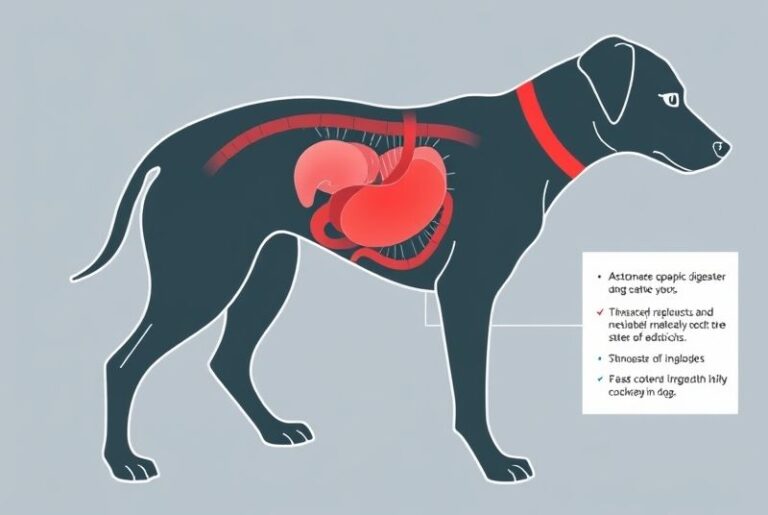
Garlic can harm a canine’s crimson blood cells, causing anemia. This may make dogs sense tiredness, have light gums, or even crumble if it’s awful enough.
What Makes Garlic Poisonous to Puppies?
Garlic has thiosulfate compounds, which are terrible for puppies. These compounds damage crimson blood cells, leading to anemia. That is referred to as hemolytic anemia.
Key elements contributing to garlic toxicity in dogs consist of:
- The amount of garlic fed on
- The form of garlic (raw, cooked, or powdered)
- The dimensions and breed of the dog
Evaluating Garlic and Onion Toxicity in Canines
Garlic and onions are each awful for dogs due to the fact they belong to the Allium family. However, they are no longer equally poisonous.
| Traits | Garlic | Onions |
|---|---|---|
| Toxic Compound | Thiosulfate | N-propyl disulfide |
| Toxicity Level | Less toxic than onions by weight | More toxic than garlic by weight |
| Common Signs | Vomiting, lethargy, anemia | Vomiting, diarrhea, anemia |
The desk indicates garlic and onions are each poisonous, but in extraordinary ways. Dog proprietors want to understand this to hold their pets safe.
“The toxicity of Allium species, such as garlic and onions, is an extensive difficulty for canine health. Consciousness and prevention are key to warding off the harmful outcomes of these commonplace kitchen components.”
The Science Behind Garlic Toxicity in Dogs
Garlic is not an unusual factor in human cooking; however, it is poisonous to puppies. The principal dangerous compounds in garlic are thiosulfate compounds. Those compounds cause extreme fitness problems in dogs.
Thiosulfate Compounds and Their Effects
Thiosulfate compounds in garlic cause oxidative harm in puppies. This harm leads to the formation of reactive oxygen species. These species harm the dog’s crimson blood cells, doubtlessly causing hemolytic anemia.
The severity of the circumstance relies upon how much garlic the canine eats and its size.
Key consequences of thiosulfate compounds encompass:
- Damage to purple blood cells
- Oxidative strain
- Hemolytic anemia
Breed-Specific Sensitivities to Garlic
At the same time as any canine can be stricken by garlic toxicity, some breeds are extra sensitive. Breeds just like the Akita and Shiba Inu are more susceptible to oxidative harm from thiosulfate compounds. Understanding those sensitivities is key for dog owners to avoid garlic toxicity.
Canine owners ought to be privy to the risks of garlic. They should preserve garlic merchandise away from their pets.
Common Misconceptions About Dogs and Garlic
As a dog proprietor, it is key to know the myths about garlic and dogs. Many think garlic is safe or precise for dogs, but it is not. Garlic is inside the Allium family, like onions and leeks, all poisonous to puppies.
Debunking Garlic as a Natural Flea Remedy
Some suppose garlic keeps fleas and ticks away. However, there’s no science backing this up. The usage of garlic can damage your canine. It is able to cause moderate to extreme health issues.
For safe flea manipulation, communicate with your vet. They could advocate established strategies instead of garlic. To learn more about this topic, check the ASPCA Animal Poison Control Center
The “Small Amount” Myth and Cumulative Effects
Many consider a little garlic to be ok for dogs. However, small amounts can add up. Ingesting garlic often can cause toxicity.
To keep your dog safe, avoid garlic. If you assume your dog ate garlic or it indicates symptoms of toxicity, see your vet right away. They could man you and prevent critical fitness issues.
Symptoms of Garlic and Onion Poisoning in Dogs
It’s essential to know the signs and symptoms of garlic and onion poisoning in dogs. If your dog eats garlic or onions, understanding the symptoms will let you act rapidly.
On-the-Spot Symptoms of Toxicity
The first signs of garlic and onion poisoning in puppies can be distinctive. They regularly encompass stomach troubles and changes in conduct. Consider, puppies no longer have to devour onions or garlic.
Gastrointestinal Symptoms
Stomach issues like vomiting, diarrhea, and pain are commonplace. These can begin a few hours after ingesting and last for days.
Behavioral Modifications
Conduct changes can be visible too. Dogs would possibly appear worn-out, unhappy, or even restless. Watch your canine intently if you assume they ate garlic or onions.
Long-Term Effects of Allium Intake
Lengthy-time-period ingestion of garlic and onions can cause critical issues. Those encompass anemia and damage to organs. Canine owners want to understand about those dangers.
Feeding your dog lots of garlic and onions over a long time can cause some pretty serious problems. We’re talking anemia, organ damage, and yucky digestive issues like constant diarrhea.
Want to know how to handle your dog’s upset stomach? Check out our article, Dog Diarrhea: Simple Guide 100% for Pet Parents, for some helpful tips.
Anemia and Blood-Related Issues
Anemia is a large fear. Garlic and onions can harm a canine’s pink blood cells. Blood tests can check for this.
Organ Damage Issues

Damage to organs, just like the kidneys, is another danger. Getting your canine to the vet quickly can assist in keeping away from these issues.
| Symptom | Instant or Long-term | Severity |
|---|---|---|
| Vomiting | on the spot | Moderate to Severe |
| Anemia | Long-term | Severe |
| Lethargy | Instant | Mild to Moderate |
| Organ Damage | Long-term | Severe |
Case Studies: Real-Life Incidents of Dogs and Garlic
Garlic is harmful to puppies, and many cases display this. Those memories tell us about the signs, remedy, and consequences of garlic poisoning in puppies.
Case Study 1: Acute Garlic Poisoning in a Labrador
A Labrador Retriever was rushed to the vet after eating lots of garlic cloves. The dog confirmed severe symptoms like vomiting, being very tired, and having labored breathing.
Incident Details and Symptoms
The canine’s owner left garlic cloves at the counter. The dog ate them, and signs were regarded speedily. This brought about a fast ride to the vet.
Treatment Process and Recovery
The vet handled the canine by making it vomit and giving supportive care. Thanks to short motion, the Labrador fully recovered. This indicates how vital speedy treatment is.
Case Study 2: Persistent Exposure to Garlic in a Small Breed
A small dog regularly turned up covered in garlic due to its proprietor’s cooking. Through the years, the dog was given anemia and other fitness issues.
Exposure Situations
The dog’s owner did not realize garlic had become risky. They cooked with it frequently, exposing the dog to dangerous materials through meals and air.
Long-term Health Effects
Long-term exposure precipitated severe fitness troubles, like anemia and damage to pink blood cells. The canine needed constant vet care to control these issues.
These tales highlight the dangers of garlic for dogs, whether or not it’s a one-time or ongoing exposure. Dog owners need to know these risks to keep their pets safe.
Treatment and Prevention Techniques
Understanding a way to treat and prevent garlic poisoning is prime for dog owners. If your canine eats garlic, performing speedy can lessen fitness dangers.
First Aid for Suspected Garlic Poisoning
In case you suppose your canine has eaten garlic, stay calm and act speedy. Get rid of any remaining garlic out of your canine’s reach to prevent extra ingestion. Then, contact your veterinarian right now for advice on what to do subsequently.
Veterinary Interventions and Remedies
Veterinary care is critical for treating garlic poisoning. Your vet would possibly make your canine vomit or give activated charcoal to take in the toxin. In horrific instances, your canine would possibly want to live in the sanatorium for care like oxygen and fluids.
Safe Food Practices for Canine Owners
Prevention is the best manner to keep your dog secure. Be careful with the foods you are making and storing. Avoid leaving garlic or foods with garlic where your canine can get to them. When cooking, throw away garlic and use secure flavors for your dog.
| Prevention Tips | Description |
|---|---|
| Comfy Garlic Garage | Hold garlic in a secure location out of your dog’s reach. |
| Be Mindful of Leftovers | Get rid of garlic-containing leftovers well. |
| Choose Dog-Secure Foods | Choose canine-friendly ingredients when cooking for your family. |
By knowing the risks of garlic and taking steps to save it, you may lower the threat of poisoning in your canine.
Conclusion: Keeping Your Canine Safe from Garlic Dangers
As a dog owner, understanding about garlic dangers is fundamental. We have looked at the risks of garlic for puppies, from the technological know-how to actual instances.
It’s essential to realize that garlic can damage puppies. It has compounds that damage pink blood cells. This info facilitates you choosing safe meals for your dog.
Watch out for garlic in your canine’s food or dietary supplements. In case your dog eats garlic, watch them intently. Get vet help if they display signs of infection.
Stay informed and take steps to shield your canine. This way, you can lower the danger of garlic poisoning. Hold your canine secure from garlic dangers.
FAQ
Can dogs devour onions or garlic?
No, dogs ought to not eat onions or garlic. They belong to the Allium circle of relatives. This onion family contains a compound that can harm a dog’s red blood cells. It may lead to anemia.
Are onions poisonous to dogs?
Sure, onions are toxic to puppies. They have N-propyl disulfide. This compound can cause hemolytic anemia in dogs.
Can dogs have garlic in their meals?
No, it is not advocated to offer dogs garlic. Garlic is within the Allium family. It has thiosulfate compounds that may be toxic to dogs.
What occurs if a canine eats garlic or onions?
If a dog eats garlic or onions, it could show signs. These encompass vomiting, diarrhea, and lethargy. In intense instances, it may result in anemia or organ damage. In case you suppose your canine has eaten garlic or onions, seek veterinary assistance right away.
How much garlic is poisonous to puppies?
The toxicity of garlic to dogs relies upon the amount and the canine’s length. A small amount won’t do a great deal of harm; however, consuming lots or often can be poisonous.
Can a small quantity of garlic damage my canine?
A small amount of garlic may not damage your dog right away. However, eating it often can be toxic. It’s pleasant to keep your dog away from garlic.
Are some dog breeds more touchy about garlic than others?
Yes, a few canine breeds are extra touchy to garlic. Japanese breeds, just like the Akita and Shiba Inu, are more sensitive. That is because of their genetic fitness situations.