Dog Has Something in Eye? Here’s What to Do
It’s upsetting to see your pet in pain. If your dog has something in eye, knowing what to do can help a lot.
Finding something stuck in your dog’s eye can be alarming. The trick is to keep cool and act quickly. Getting to it fast can stop bigger issues from popping up.
This guide is here to give you simple steps to look after your dog’s eye and handle any urgent situations. Knowing what to do is super important. We’ll cover dog eye care and emergency steps in detail.
Table of Contents
Understanding Dog Eye Irritation
It’s important to know what causes and signs of dog eye irritation. Knowing this stuff helps you act fast when your pet needs you. Lots of things can bother a dog’s eyes, so being aware will steer what you do.
Common Causes of Eye Irritation in Dogs
A few things can bug a dog’s eyes, such as:
- Dust and dirt particles entering the eye
- Foreign objects such as grass seeds or insects
- Chemical irritants from household cleaning products
- Infections or allergies
These things can make your dog feel bad. If you don’t take care of them, they might even cause bigger health issues.
Signs Your Dog Has Something in Eye
If your pet has something stuck in their eye, here are some things you might notice:
- Squinting or blinking a lot
- Rubbing their eye with their paw
- Discharge or redness around the eye
- Seeing a foreign object in the eye
Catching these signs early means you can help your dog feel better, fast.
When a Dog Has Something in Eye: Initial Assessment
If you think your dog got something in their eye, the first thing to do is take a breath and try to stay calm. That’ll help you see how bad it is and decide what to do.
Determining the Severity of the Situation
Pay attention to your dog’s behavior. If they’re pawing at their eye, squinting, or just seem bothered, they might have something stuck in there. Also, check for redness, discharge, or any swelling around the eye.
- Look for any visible objects or debris in the eye.
- Check if your dog is avoiding light or showing sensitivity.
- Observe if there’s any unusual discharge or tearing.
Creating a Calm Environment for Examination
When you’re checking your dog’s eyes, make sure you’ve got a chill spot for it. A quiet place without a lot going on is best. Talk to your dog in a soft and gentle voice to keep them calm. Dog treats are also great for keeping them relaxed and happy to work with you.
With these steps, you can check things out and get your dog ready for a better view.
Safety Precautions Before You Begin
When you’re trying to help your dog with an eye problem, safety is key. Before you start, there are some important things you should do to protect both yourself and your dog.
Proper Hand Hygiene
Before you check your dog’s eye, make sure you wash your hands really well. This helps keep you from putting more yuck or germs in there. Just use soap and warm water, and be sure your hands are dry afterward.
Restraining Your Dog Safely
To keep your dog safe from getting hurt, make sure to restrain them well. You can hold them gently or ask someone to give you a hand. Stay calm and be gentle so you don’t stress your dog out even more.
Gathering Necessary Supplies
- Clean water
- Saline solution
- A clean cloth
- Any prescribed eye medication
Getting these things prepared will make things smoother for you and your dog.
Step-by-Step Guide to Examining Your Dog’s Eye
If you spot something in your dog’s eye, take a close look. This guide will walk you through checking it safely, so you can quickly see if there’s an issue and know what to do.
Proper Lighting Techniques
To get a good look at your dog’s eyes, you need good lighting. Natural light is ideal, but if you’re inside, a bright lamp will do the trick. Just make sure the light isn’t too bright or shining right in their eyes.
How to Gently Open and Inspect the Eye
Gently hold your dog and use your thumbs to carefully open their eyelids. Be very careful not to touch the eye itself, so you don’t cause any problems. Once the eye is open, take a good look to see if there’s anything stuck in there or if it looks irritated.
What to Look For During Examination
Keep an eye out for redness, swelling, or discharge, as these could indicate an issue. Also, check for any dust or plant stuff in the eye. If you spot something, carefully try to remove it.
Removing Visible Foreign Objects
Taking out something you can see from your dog’s eye needs you to be patient and careful. If your dog’s eye is bothering them, deal with it quickly so it doesn’t get worse.
Using Clean Water to Flush the Eye
Flushing the eye with clean water is a simple method. Pour lukewarm water gently over the eye to dislodge the object. Make sure the water is not too cold or hot to avoid more dog eye irritation .
Using Saline Solution for Eye Irrigation
Saline solution works great for rinsing eyes. You can grab it at pet stores or pharmacies. Just flush the eye to get any junk out, but keep the bottle tip from touching the eye.
Techniques for Removing Debris with a Clean Cloth
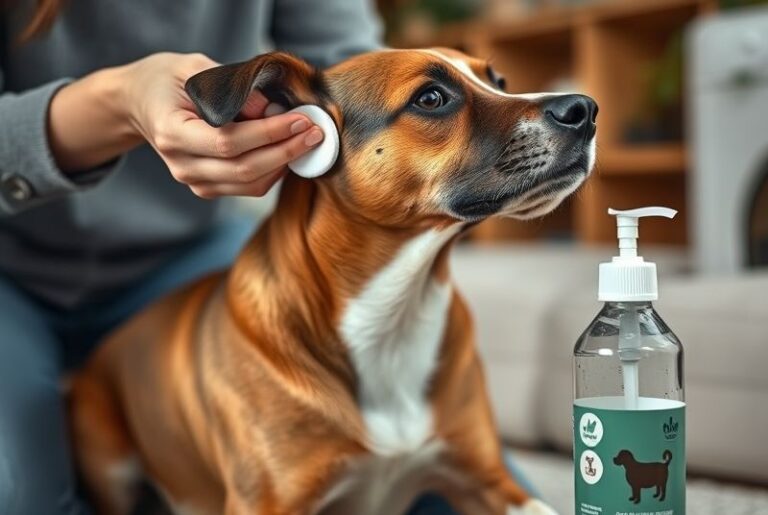
If you can see the object, try removing it with a clean, damp cloth. Gently wipe around the eye, but don’t touch it. If it’s stuck or you’re unsure, see a vet.
What Not to Do When Removing Objects
Avoid using strong chemicals, tweezers, or your fingers to take out anything from your dog’s eye. These methods could cause pain or worsen any irritation. When in doubt, it’s always best to consult your vet.
Addressing Different Types of Eye Irritants
Knowing what irritates your dog’s eyes is the first step in helping them. Each irritant needs a different treatment. Finding out what’s causing the problem is essential.
Dust and Dirt Particles
Dust and dirt often irritate a dog’s eyes. Cleaning the eye with water or a saline solution can help. If the problem doesn’t go away, see a vet.
Plant Material and Seeds
Grass seeds and other plant parts can get stuck in a dog’s eye. Saline solution can help remove them. If it’s stuck deep, you’ll need a vet’s help.

Chemical Irritants
Chemicals like shampoo can badly irritate a dog’s eyes. Flush the eye with water right away. Then, go see a vet to check for damage.
Eyelash or Hair Issues
An eyelash or hair can irritate a dog’s eye by rubbing against it. Look at the eye carefully and remove the hair or lash with a damp cloth. This might fix the problem.
| Type of Irritant | Initial Response | Follow-Up Care |
|---|---|---|
| Dust/Dirt | Flush with water or saline | Monitor for continued irritation |
| Plant Material | Flush with saline solution | Veterinary care if embedded |
| Chemical Irritants | Immediate flushing with water | Veterinary assessment |
| Eyelash/Hair | Remove with clean, damp cloth | Monitor for irritation |
Knowing the type of irritant and acting quickly can help your dog’s eye health. If you’re unsure, always talk to a vet for advice.
Home Remedies for Minor Eye Irritation
If your dog has minor eye irritation, there are home remedies to help. It’s important to watch your dog closely. If the irritation gets worse, see a vet.
Safe DIY Eye Washes
Try a DIY eye wash to soothe your dog’s eye. Mix 1 teaspoon of salt with 1 cup of warm water. Use this solution to clean your dog’s eye gently.
Cooling Compresses for Swelling
A cooling compress can help with swelling. Soak a cloth in cold water, wring it out, and place it on your dog’s eye. This can reduce swelling and ease dog eye discomfort.
Limiting Activity During Recovery
Rest is key for your dog’s eye to heal. Limiting activity helps prevent more irritation. Keeping your dog calm and reducing hard activities supports their dog eye health and recovery.
By using these home remedies and watching your dog’s eyes, you can help with minor eye irritations. This supports their eye health.
When to Seek Immediate Veterinary Care
Dog owners need to know when to rush their pets to the vet for eye problems. If your dog shows any of these signs, act fast to avoid worse problems.
Warning Signs of Serious Eye Problems
Some signs mean your dog’s eye problem is serious and needs quick help. Look out for:
- Severe redness or swelling around the eye
- Persistent discharge or pus
- Squinting or avoiding light
- Visible foreign objects that can’t be easily removed
- Bleeding or bruising around the eye
Symptoms That Require Emergency Attention
If your dog shows these symptoms, get to the emergency vet right away:
- Rapid swelling of the eye or surrounding area
- Changes in vision or apparent blindness
- Severe pain shown by whining or not wanting to open the eye
What to Expect at the Veterinary Visit
At the vet, your dog will get a detailed check-up to find out what’s wrong with their eye. The vet might use special tools to look closely at the eye.
Preparing for a Veterinary Emergency
To get ready for a vet emergency, remember these tips:
- Keep your vet’s contact info close by
- Have a pet first aid kit ready
- Know where the nearest emergency vet is
Being ready can help your dog get the care they need fast.
After care for Your Dog’s Eye
After treating your dog’s eye, it’s important to take good care of it. This helps your dog heal fast and feel better. You need to follow a few steps to make sure your dog recovers well.
Monitoring for Continued Irritation
Watch your dog closely for signs of eye irritation. Look for redness, squinting, or discharge. If you see these, talk to your vet right away.
Administering Prescribed Medications
If your vet gave you medicine, make sure to give it correctly.Following the right dosage is key for the treatment to work.
Creating a Recovery Environment
Make sure your dog’s area is clean and free from things that can irritate their eyes. Give them a cozy place to rest.
Follow-up Care Timeline
Don’t forget to schedule follow-up vet visits. Usually, you’ll need to go back in a few days to see how your dog is doing.

Preventing Future Eye Problems
To keep your dog’s eyes healthy, you need to take action. Simple steps in your daily routine can lower the chance of eye issues. This is key for your dog’s eye care.
Regular Eye Cleaning Practices
Cleaning your dog’s eyes regularly is vital. Use a clean, damp cloth to gently remove dirt and debris. This helps avoid irritation. You can also use a dog-specific eye wash for extra cleaning.
Breed-Specific Dog Eye Care Considerations
Some dog breeds face more eye problems because of their face shape. For instance, Pugs and similar breeds need more eye cleaning. Their eyes are more exposed.
Environmental Modifications to Protect Eyes
Changing your dog’s environment can also protect their eyes. Keep your home clean of dust. Avoid using strong chemicals that can irritate their eyes.
Keeping your dog groomed does more than just make them look good. It also helps keep their eyes clear by cutting down on loose hair and dirt. Check out our complete grooming guide here: Dog Grooming: the 1 BEST Guide for Every Owner.
Protective Gear for Active Dogs
By following these tips, you can keep your dog’s eyes safe. This helps prevent eye problems in the future.
Essential Dog Eye Care Products
Keeping your dog’s eyes healthy is key. Having the right products can help a lot. It makes your dog more comfortable and helps them heal faster if they have eye problems.
Recommended Eye Washes and Drops
Eye washes and drops are important for cleaning and soothing your dog’s eyes. Make sure to pick products made for dogs. Human eye care products can be dangerous for them.
- Saline solutions are gentle and effective for flushing out debris.
- Antibacterial eye washes can help prevent infection.
- Lubricating drops can provide relief for dry, irritated eyes.
Tools for Safe Eye Examination
To safely check your dog’s eyes, you need the right tools. A penlight is great for seeing into the eye. You’ll also need a clean cloth or cotton balls to gently wipe away discharge.
First Aid Supplies for Eye Emergencies
Having the right first aid supplies is important for eye emergencies. You’ll need sterile gauze pads and a clean, damp cloth for cool compresses.
Building Your Dog Eye Care Kit
A good dog eye care kit should have all the mentioned products. Here’s a quick list of what you need:
| Product | Purpose |
|---|---|
| Saline solution | Flushing out debris |
| Antibacterial eye wash | Preventing infection |
| Lubricating drops | Relieving dry, irritated eyes |
| Penlight | Examining the eye |
| Sterile gauze pads | First aid for eye injuries |
Conclusion
If your dog has something in eye, you must act fast. This helps avoid more irritation or harm. By following the steps in this article, you can ensure your dog gets the care it needs.
Knowing how to check your dog’s eye, remove any foreign objects, and when to see a vet is key. This knowledge greatly improves their dog eye health. Also, regular eye cleaning, considering your dog’s breed, and making environmental changes can prevent eye issues.
As a caring dog owner, it’s important to be proactive about your dog’s dog eye care. Being aware of risks and taking steps to reduce them keeps your dog’s eyes healthy. If you think your dog has something in its eye, act quickly and seek professional help if needed.
FAQ
What should I do if my dog has something in eye?
First, make a calm space to look at your dog’s eye. Look for any foreign objects and try to remove them with clean water or saline. If you can’t remove it or your dog is very uncomfortable, get vet help right away.
How can I tell if my dog has something in eye?
Signs include squinting, red eyes, discharge, pawing at the eye, or avoiding activities. If you see these signs, carefully check your dog’s eye.
Can I use human eye drops on my dog?
No, don’t use human eye drops on your dog without a vet’s okay. Some human drops can harm dogs.
How do I safely restrain my dog to examine its eye?
Hold your dog gently but firmly, supporting its body and keeping it calm. Having someone help you can also be useful.
What are some common causes of eye irritation in dogs?
Eye irritation can come from dust, dirt, foreign objects, plant material, and chemicals. Knowing these causes helps spot eye problems early.
When should I seek veterinary care for my dog’s eye issue?
Get vet help if your dog’s eye problem doesn’t get better, gets worse, or has severe symptoms like intense redness or swelling. Call an emergency vet if there’s a deep eye injury or vision loss.
How can I prevent future eye problems in my dog?
To avoid eye issues, clean your dog’s eyes regularly, consider breed-specific care, and reduce eye hazards. Use protective gear for active dogs.
What are some essential dog eye care products I should have?
You’ll need eye washes, saline solutions, clean cloths, and first aid supplies. These help you care for your dog’s eyes and respond to emergencies.
How can I create a recovery environment for my dog after an eye injury?
Keep your dog calm, limit its activity, and give any prescribed meds. Watch its condition closely and follow vet advice.