Best Dog Grooming Tools For All Breeds: Expert Recommendations
Table of Contents
Best Dog Grooming Tools For All Breeds: Expert Recommendations
Grooming is an essential aspect of dog care that not only helps maintain your pet’s hygiene but also strengthens the bond between you and your furry friend. With a wide variety of dog breeds, each possessing unique grooming needs, selecting the right tools can be overwhelming for both new and seasoned pet owners. This article explores the best dog grooming tools tailored for all breeds, offering expert recommendations and insights on essential items that can make grooming easier and more effective. From brushes and clippers to nail care products, you’ll find everything you need to ensure your dog looks and feels their best.
Understanding Dog Grooming Tools Needed by Breed
Factors Affecting Grooming Requirements
When it comes to grooming, every dog is a unique snowflake! Factors such as coat type, size, and activity level play crucial roles in determining grooming needs. For instance, long-haired breeds like Afghan Hounds require more attention than a short-haired Dachshund, who could practically groom itself (if only it had opposable thumbs). Additionally, some breeds are prone to matting or shedding, which can ramp up the grooming frequency and tool selection. Don’t forget about age and health—senior pups may need gentler tools and techniques, while energetic younglings might require more frequent clean-ups after their adventures!
Grooming Frequency for Different Breeds
You wouldn’t wash a tuxedo after every meal, so why would your Shih Tzu need daily grooming? Generally, dogs with short, smooth coats can be groomed every few weeks, while those with long or curly coats may require weekly or even daily grooming to prevent a furry catastrophe. Working breeds and dogs that spend a lot of time outdoors often need more frequent grooming to eliminate dirt, debris, and occasional “mystery” odors. Just remember: if your dog starts looking like it’s auditioning for a role in a wild safari, it’s time to get that brush out!
Essential Dog Grooming Tools for Every Dog Owner
Must-Have Dog Grooming Tools for Beginners
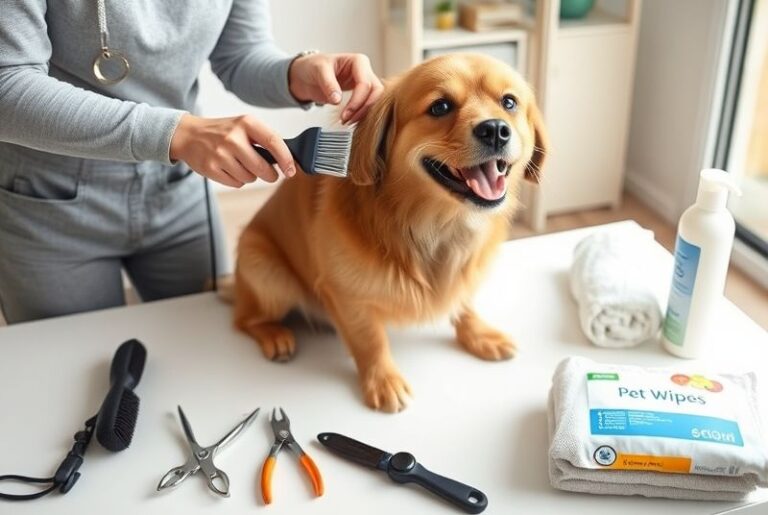
Welcome to the grooming club! For those just starting out, a basic toolkit can be a game changer. Begin with a good quality slicker brush for detangling, a comb for those pesky mats, and nail clippers (remember, no one likes a puppy with claws sharper than a ninja’s!). A bathing brush can also help when you’re giving Fido a bath, and a towel (or an army of them) is handy for those post-bath shake-offs. With this starter pack, you’ll be on your way to grooming glory—and maybe a few adorable puppy selfies!
Advanced Tools for Experienced Groomers
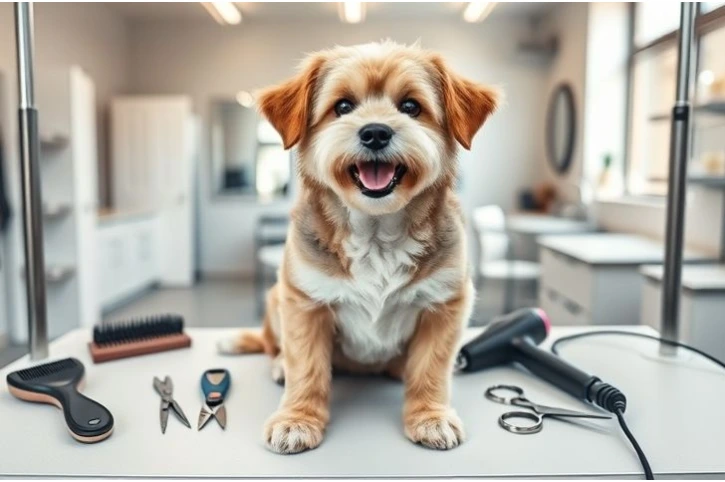
Want to get better at grooming? Say hello to the professionals’ secret weapons! High-quality clippers, adjustable blades, and a range of comb attachments will give you the versatility to tackle any breed’s coat. Dematting tools are a must-have for those dense fur families, while grooming tables with arm restraints can make the process smoother (and less back-breaking). Don’t forget a good set of shears for those finishing touches—after all, every pup deserves to strut their stuff like they just stepped off a runway!
Brushes and Combs: Choosing the Right Type
Types of Brushes: Slicker, Bristle, and Pin
Navigating the world of brushes can feel like a hair-raising adventure, but fear not! Slicker brushes are your go-to for removing mats and tangles, perfect for long-haired breeds. Bristle brushes, on the other hand, are great for smoothing and shining shorter coats, while pin brushes help fluff up those pooches with medium-length fur. Each has its charm, so tailor your selection to your dog’s coat type—because let’s be honest, nobody wants to wrestle with a brush that’s not suited for the job!
Combing Techniques for Different Coat Types
Combing isn’t just for the fashionable humans—it’s essential for our canine companions too! For short-haired dogs, gentle, smooth strokes are effective, while long-haired breeds can benefit from sectioning the coat to tackle tangles more effectively. For curly coats, use a wide-tooth comb to avoid breakage and ensure you’re not accidentally transforming your poodle into a puffball. Keep it light, keep it fun, and always reward your dog with treats and belly rubs. After all, grooming should be a team effort… and treats are the best motivators!
Clippers and Trimmers: A Guide to Grooming Equipment
Choosing the Right Clippers for Your Dog
Welcome to the hair salon, where the clippers are the stars of the show! When choosing clippers, look for a model with adjustable speeds for different coat types—think of it like having a different setting for each hairstyle. Heavy-duty clippers are perfect for those furry giants, while lightweight trimmers work wonders on the delicate bits (yes, we’re talking paws and face). Battery-operated options are fantastic for quick touch-ups, but corded clippers often deliver consistent power for the full glam session. Just remember to keep those blades sharp; dull clippers can turn your grooming day into a stubborn wrestling match!
Maintenance and Care for Clipping Tools
Ah, the unsung hero of grooming—maintenance! Cleanliness is next to dog-liness when it comes to clippers. Make it a habit to remove hair and debris after each use; nobody wants to be the owner of “that” clipper. Use clipper oil to keep blades cool and lubricated—because even clippers deserve a little pampering. Sharpening blades regularly extends their lifespan and prevents pulling or discomfort during grooming. And remember, a well-cared-for clipper is like a trusty sidekick, always ready to step into action when your dog needs a trim!
Bathing Supplies: Products for a Stress-Free Experience
Best Shampoos for Different Coat Types
When it comes to choosing the right shampoo, you need to consider your dog’s coat type, which can range from fluffy to wiry and everything in between. For short-haired breeds, a gentle, moisturizing shampoo will do the trick, while long-haired pups might benefit from a detangling formula to keep those luscious locks from turning into a matted mess. Sensitive skin? Look for hypoallergenic options that won’t have your pooch scratching like they’re auditioning for a dance party. And for those who love to roll in the mud, a good degreasing shampoo will turn your dirty dog into a shiny superstar in no time.
Tools for Efficient Drying and Brushing
After the bath comes the drying—and if you’ve ever tried to towel-dry a wet dog, you know it can feel like a wrestling match with a slippery opponent. Enter the dog blow dryer: it’s the secret weapon that can save you from soggy chaos. Choose one with adjustable heat settings to avoid turning your pup into a crispy critter. For brushing, slicker brushes are a must-have for tackling tangles and ensuring a shiny finish, while deshedding tools are your best friends during shedding season. Remember, a well-groomed dog is a happy dog—and a happy dog means fewer couch cushions sacrificed to the hair gods!
Nail Care: Best Tools for Trimming and Maintenance
Types of Nail Clippers: Which One to Choose
Nail trimming might not be your dog’s favorite spa treatment, but it’s a necessary evil. There are several types of clippers to choose from: the classic guillotine style, which works well for small to medium dogs, and the scissor-type clippers, perfect for larger breeds with thick nails. Don’t forget about electric grinders, which can make the process a little less stressful (for both you and your pup), smoothing out sharp edges without the dreaded “clip.” Whichever you choose, ensure they are sharp and easy to handle—trust us, you’ll need all the help you can get!
Tips for Fear-Free Nail Trimming
Nail trimming doesn’t have to be a horror show! Start by desensitizing your dog to the process—let them sniff the clippers and reward them with treats to create a positive association. Try to keep the sessions short and sweet; a little at a time can go a long way. And if you’re feeling brave, take your pup for a little walk on a pavement surface before trimming to wear them out and make them more relaxed. Remember, the goal is to make it as stress-free as possible, so if it’s turning into a circus act, take a step back and try again later.
Professional vs. Home Grooming: When to Seek Help
Signs Your Dog Needs Professional Grooming
While there’s definitely something satisfying about grooming your dog, sometimes it’s better to call in the pros. If your dog’s coat is matted beyond what you can handle, or if their nails resemble talons, it’s time to seek professional help. Also, if your pup is terrified of grooming, a skilled groomer can work wonders with less stress. And let’s be real—if your dog smells like they just rolled in a dumpster, it might be time to let a professional work their magic. Remember, a good groomer won’t just make your dog look fabulous; they’ll also help keep them healthy.
Choosing the Right Groomer for Your Dog
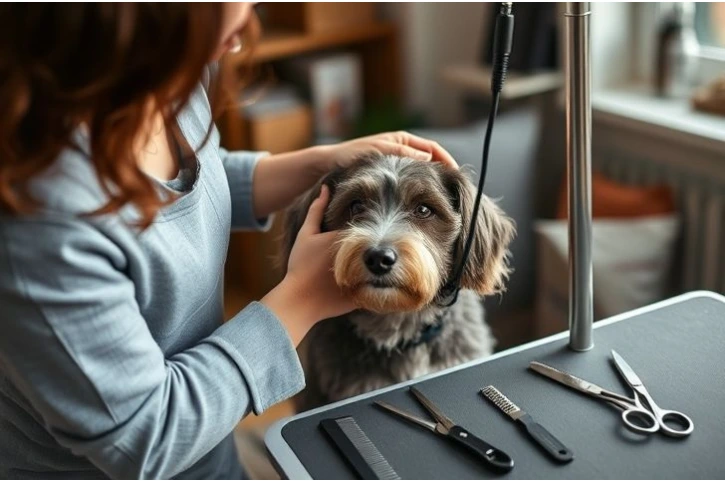
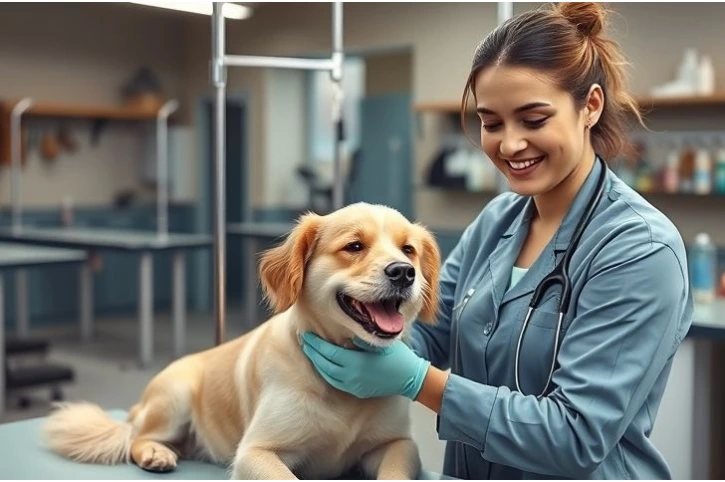
Finding the right groomer is like dating—sometimes you have to kiss a few frogs before you find your prince (or princess). Look for someone with positive reviews and a good reputation. Visit the salon beforehand if you can, and observe how the groomers interact with the dogs. A great groomer will be patient, gentle, and knowledgeable. Don’t be afraid to ask questions about their methods and experience! And of course, trust your instincts: if something doesn’t feel right, keep searching until you find the paw-some fit for your furry friend.
Tips for Maintaining and Storing Grooming Tools
Cleaning and Sanitizing Your Grooming Equipment
Keeping your grooming tools clean is essential to avoid spreading bacteria or dirt, especially if you have multiple pets. After each use, wipe down your brushes and combs to remove hair and debris. For clippers and scissors, a quick spray with disinfectant can keep germs at bay. Don’t forget to occasionally check for rust or damage—those clippers need to stay sharp, not sentimental! Regular maintenance not only extends the life of your tools but also ensures a safer and more enjoyable grooming experience for your pup.
Best Practices for Tool Storage
Now that your grooming tools are shiny and sanitized, let’s talk storage. Avoid the temptation to toss them all in a drawer where they could become a tangled mess. Instead, opt for a dedicated grooming caddy or toolbox with compartments to keep everything organized. For brushes and combs, standing them upright in a holder can help maintain their shape. And if you have clippers, store them in a protective case to prevent any accidental nicks or damage. You wouldn’t want your tools to become a DIY project gone wrong, would you? Keep them tidy, and they’ll keep your dog looking fabulous! In conclusion, having the right grooming tools is crucial for maintaining your dog’s health and appearance, regardless of their breed. By investing in quality products and understanding your dog’s specific grooming needs, you can create a positive grooming experience that benefits both you and your pet. Regular grooming not only keeps your dog looking great but also helps to identify any potential health issues early on. With the expert recommendations provided in this article, you’re well-equipped to choose the best grooming tools and ensure your furry companion stays happy and healthy.
FAQs For Dog Grooming Tools
How often should I groom my dog?
It really depends on your dog – their breed, fur, and how they live all play a role. Long-haired breeds typically require grooming every 4-6 weeks, while short-haired breeds may need less frequent grooming, around every 8-12 weeks.
What tools are essential for basic dog grooming?
To keep your dog looking great, you’ll need a good brush, nail clippers, dog shampoo, and some towels. You might need combs or clippers too, it all depends on what kind of fur your dog has.
Should I groom my dog myself, or use a pro?
Many dog owners successfully groom their pets at home with the right tools and techniques. However, for complicated grooming styles or if your dog has special needs, seeking a professional groomer may be beneficial.
How do I make my dog enjoy getting groomed?
Start slow with grooming tools, and use treats and praise to make it a fun time. Keep sessions short and enjoyable, and gradually increase the duration as your dog becomes more comfortable with the process.