
Blue Heeler: Everything About the Australian Cattle Dog
Table of Contents
Picture a muscular, midsize dog dashing across an open field, rounding up a herd of cattle with quick nips at their heels. The blue heeler, also called the Australian cattle dog, shows energy, smarts, and loyalty in everything it does. Owners value these traits—not just for working, but as strong companions for families and active people. If you’re curious about what sets this breed apart and how to care for one, you’ll find a down-to-earth guide right here.
History and Origin
The blue heeler’s past stretches back to the dusty farms of 19th-century Australia. Farmers needed a tough, tireless dog to move stubborn cattle across rough ground. They started with imported dogs and tried out several crosses, settling on a mix that would shape the breed as we know it today.
Early Work on Australian Farms
This dog’s job was as intense as its spirit. Blue heelers moved cattle across open plains, rocky outcrops, and even thorny scrub. At night, the dogs watched over the herds, using their keen senses to spot trouble. Their day started before sunrise and finished long after sunset. Farmers counted on them for both muscle and intelligence.
Breed Development and Name Origins
Australian breeders crossed hardy Collies with wild dingoes, adding a dash of other herders. The sleek blue-gray double coat with speckled or mottled spots gave rise to the “blue” part of the name. The word “heeler” comes from the dog’s instinct to nip at livestock’s heels, helping guide them without causing harm. This clever trait made the dog both respected and indispensable on ranches.
Recognition by Kennel Clubs
After decades of proving themselves at work, blue heelers caught the eye of dog enthusiasts. The Australian National Kennel Council officially recognized the breed in the early 20th century. By the late 20th century, international clubs, including the American Kennel Club (AKC), added it to their rolls. Today, the blue heeler is a regular sight at farm trials and in the homes of dog lovers worldwide.
Physical Traits and Temperament
You can pick out a blue heeler in a crowd: compact, athletic, and alert, always ready to spring into action. They have a look and personality that grabs attention and holds it.
Size, Coat, and Color
- Height: 17 to 20 inches at the shoulder
- Weight: 35 to 50 pounds when fully grown
The blue heeler wears a short, dense double coat that protects it from weather and brush. The classic look is a rich blue-gray, often with black, tan, or white markings. Some heelers have a red-speckled coat, earning them the nickname “red heeler.” Either way, you’ll notice the fur pattern right away—a mottled or speckled effect that helps the dog blend in outdoors.
Energy Level and Intelligence
The blue heeler is one of the most energetic and intelligent herding breeds. Expect a dog that wants a job every day. They need tough physical exercise and puzzles that challenge their minds. A bored heeler gets restless and may look for ways to make its own fun—sometimes in ways you won’t appreciate. Give this breed tasks, games, or training drills to keep it satisfied.
Suitability for Families and Activities
Blue heelers bond closely with their owners. They want to be with you—and not left alone for long stretches. These dogs fit best in homes where someone is active and involved, whether that’s running, hiking, or trying out agility. They’re great matches for dog sports or obedience competitions. If you’re looking for a couch buddy, though, this breed may be a bit too intense.
In short: If your days are busy and on-the-move, a blue heeler could fit right in.
Care, Training, and Health
Bringing a blue heeler into your life means shaping your day to meet its needs. Get ready for an active routine and a partner who enjoys a challenge.
Exercise and Mental Stimulation
Keep your blue heeler busy, not just with a daily walk but with vigorous activity. Think off-leash runs, games of fetch, or jogs through the park. Aim for at least an hour of exercise per day.
For a sharp mind, try:
- Puzzle toys
- Agility courses
- Herding balls or games
- Obedience routines
Without enough stimulation, the breed digs, chews, or tries herding people or other pets. If you can channel that drive, you’ll have a happy, well-behaved companion.
Training Tips and Socialization

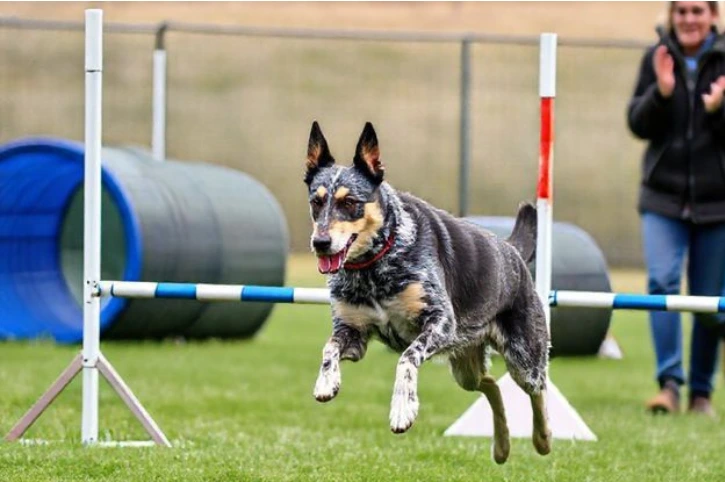
Start training your blue heeler early while it’s a puppy. Use clear, upbeat praise and treats to reinforce commands. This breed picks up habits quickly, so it’s easier if you set good ones from the start.
Important steps:
- Socialize with people and dogs early
- Teach clear boundaries at home
- Use firm but positive direction (never harsh)
- Work on obedience daily
Introduce new experiences and friendly faces so your heeler learns to stay calm in different situations. With the right guidance, you’ll see their focus and loyalty shine.
Common Health Concerns
Most blue heelers stay healthy with good care but they have a few health risks, just like every breed. Look out for:
- Hip dysplasia: A joint issue that may cause limping or pain
- Progressive retinal atrophy (PRA): An eye condition that can lead to vision loss
- Skin allergies: Itching, scratching, or rashes
Annual vet visits, quality food, and daily checks for ticks, burrs, or injuries keep problems in check. Regular checkups help catch issues early.
FAQ
How much exercise does a blue heeler need?
Plan for at least an hour a day, plus mental challenges like training drills or games.
Are blue heelers good with kids?
They can be wonderful with children, especially when raised together. Always supervise and train for gentle, appropriate interactions.
Do blue heelers shed a lot?
They shed seasonally, especially during spring and fall. Regular brushing helps keep loose hair under control.
Is the blue heeler right for apartment living?
Only if you commit to daily, intense exercise. This breed needs space to burn off energy.
How long do blue heelers live?
Healthy blue heelers often reach 12 to 16 years with good care and regular vet checks.
Conclusion
The blue heeler stands out for its hard work, brains, and unwavering loyalty. This breed’s roots lie in Australian farms but today it shines in active homes and dog sports. If you’re thinking about bringing a blue heeler into your life, ask yourself if you’re ready for the exercise and training this breed deserves. For more about their traits and care routines, you can check reliable sources like the AKC breed profile or comprehensive breed health guides. With the right approach, you’ll have a loyal, energetic partner for years to come.