The Truth About Cats Grooming Each Other : Affection or Dominance?
Table of Contents
Cats are known for their meticulous grooming habits, often spending significant portions of their day cleaning themselves and each other. This behavior, while seemingly simple, can reveal complex social dynamics within feline groups. Pet owners and cat enthusiasts frequently wonder whether this mutual grooming is a sign of affection or a demonstration of dominance. Understanding the underlying motivations behind this behavior is essential for interpreting the social structures at play among cats. In this article, we will explore the multifaceted nature of cat grooming, examining its role in bonding, communication, and hierarchy, thereby shedding light on the truth behind this intriguing feline ritual.
Understanding Cats Grooming Each Other Behavior
What is Grooming?
Grooming is more than just a cat’s way of keeping up appearances. It’s a vital activity that involves the use of their rough tongues to clean their fur, remove dirt, and distribute natural oils. It’s like a spa day, minus the cucumbers over the eyes. While cats spend a significant amount of their time grooming themselves, they also indulge in grooming each other—a behavior that raises eyebrows and questions about its true purpose.
Types of Grooming in Cats
There are generally two types of grooming: self-grooming and allogrooming (that’s the fancy term for when cats groom each other). Self-grooming is the individual version, where cats meticulously clean every nook and cranny of their own fur. Allogrooming, on the other hand, is a social affair. This involves two or more cats and serves specific purposes, whether it’s to bond, establish social order, or simply because they find each other’s fur irresistible (and who can blame them?).
The Affectionate Side of Grooming
Grooming as an Expression of Love
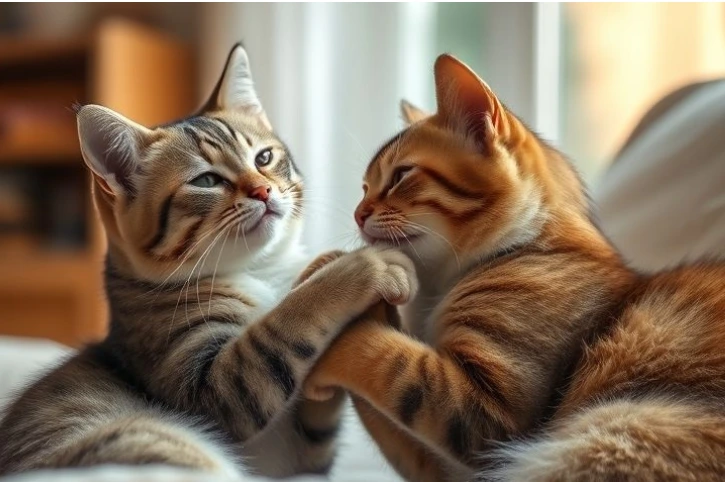
When cats groom each other, it often signifies affection. Picture this: two cats sitting side by side, gently licking each other’s fur like they’re sharing a moment over a cup of coffee. It’s a gesture of love and intimacy; think of it as their way of saying, “You’re my favorite furball!” This behavior is more common among cats with strong social bonds, and it’s a heartwarming sight that tugs at the heartstrings of any cat lover.
Physical Benefits of Grooming for Cats
Beyond the lovefest, grooming also has tangible benefits. It helps reduce stress, lowers the risk of skin issues, and promotes a healthy coat. Cats are clever creatures; they know that by keeping each other clean, they’re also contributing to their overall health. It’s like a grooming version of teamwork—winning at life, one lick at a time!
Grooming as a Social Bonding Activity
Building Trust Through Grooming
Grooming isn’t just a leisurely activity; it’s a trust-building exercise. When a cat allows another to groom them, it’s a sign that they feel safe and comfortable in each other’s presence. It’s akin to a warm hug or a cozy blanket; it signifies a strong social connection. For cats, these moments of vulnerability strengthen their relationships and create a support network that would make any feline feel like the cat’s pajamas.
The Role of Grooming in Group Dynamics
In multi-cat households, grooming plays an essential role in maintaining group harmony. It helps reinforce social bonds and ensures a well-oiled cat community. Think of it as their version of team-building activities—minus the awkward icebreakers. By taking turns grooming, cats can establish a peaceful coexistence, navigating the complexities of feline hierarchy without too much drama.
Dominance Hierarchies and Grooming
Understanding Power Dynamics in Feline Communities
While grooming can often be a love fest, it can also have a darker side involving power dynamics. In cat communities, hierarchical structures can emerge, and grooming can reflect these underlying tensions. The more dominant cats may initiate grooming as a way to assert their status, while more submissive cats may groom as a sign of respect or deference. It’s like watching a soap opera—feline edition—filled with twists, turns, and some serious grooming intrigue.
Grooming as a Tool for Establishing Rank
So, how does grooming play a role in establishing rank? By grooming one another, dominant cats can remind everyone who’s in charge. It’s like giving a pat on the back, but with a slightly more intimidating flair. Subordinate cats may engage in grooming to appease their higher-ranking companions, hoping to maintain peace and avoid any potential conflicts. In this way, grooming becomes a strategic tool for navigating the often complex social structures within feline communities. Who knew a simple lick could carry so much weight?
The Role of Grooming in Cat Communication
Grooming is more than just a beauty routine for our feline friends; it’s a vital form of communication. When cats groom each other, they’re engaging in a complex ritual that conveys trust, affection, and social bonding. Think of it as their version of a group spa day—minus the cucumbers on their eyes, of course. This behavior helps strengthen their social ties and creates a sense of security within the group.
Vocalizations and Body Language During Grooming
While grooming, cats often engage in quiet vocalizations—soft purrs or contented chirps—accompanied by relaxed body postures. You might notice a cat leaning into another, closing their eyes, or even giving a little head bump. These subtle signs indicate comfort and pleasure. If you see your cats grooming each other accompanied by a chorus of soothing sounds, it’s likely they’re just sharing the love!
Interpreting Grooming Behavior in Context
Context is key when it comes to understanding grooming behavior. Is it a hot day and they’re both a bit sweaty? Or is it just after a play session where one cat got a little too rough? If two cats are grooming each other after a bout of friendly tussling, it can signal a reconciliatory behavior—a “sorry for the smackdown” moment. But if the context feels a bit off, keep an eye out for tension or other warning signs.
Observing Grooming Patterns in Multi-Cat Households
In multi-cat households, the dynamics of grooming can get as complicated as a soap opera—complete with drama and unexpected twists. You’ll likely witness a range of grooming behaviors, from the adorable to the downright awkward.
Common Grooming Scenarios Among Cats
Common grooming scenarios include one cat meticulously grooming another, while one looks on with a mildly amused expression (or is it annoyance?). Cats often groom those they are closest to, frequently seen between littermates or long-time companions. However, don’t be surprised if one cat decides to play the role of the reluctant participant, leading to moments of confusion that only cats can truly appreciate.
Identifying Signs of Stress or Aggression
Not every grooming session is a feel-good moment. Sometimes, excessive grooming can mask underlying stress or aggression. Watch for signs such as ears pinned back, tail flicking, or a cat hissing during or after grooming. If you notice these behaviors, it may be time to intervene and reassess the cat dynamics—because no one wants a grooming session to turn into a feline fight club!
Myths and Misconceptions About Cat Grooming
There’s no shortage of myths when it comes to our furry companions, and grooming is no exception. Some say grooming is merely a dominance display, while others believe it’s only for hygiene. Spoiler alert: it’s a bit more nuanced than that.
Debunking Popular Myths
One common myth is that only dominant cats groom their subordinates. In reality, grooming is a two-way street that emphasizes bonding and affection. Another misconception is that only unkempt cats need grooming. Sure, a cat with a bushy mane might look like it just survived a windstorm, but grooming is also about social interaction, not just cleanliness.
What Science Says About Grooming Behavior

Scientific research supports the idea that grooming serves multiple roles, including stress relief, social bonding, and even health benefits. Studies have shown that grooming releases endorphins in cats, making it a feel-good activity! So, the next time your cat is getting their spa day on, just know they could be treating themselves to a little happiness boost.
Conclusion: Balancing Affection and Dominance in Feline Relationships
At the end of the day, grooming among cats is a beautifully complex behavior that intertwines affection with social hierarchy. Understanding this balance can help us appreciate the nuances of our feline friends’ interactions.
Key Takeaways on Grooming Behavior
1. Grooming is primarily a sign of affection, but context matters. 2. Watch for body language and vocalizations to fully interpret what’s happening. 3. In multi-cat homes, pay attention to dynamics to spot potential issues.
Encouraging Healthy Relationships Through Grooming
Encouraging positive grooming behaviors can strengthen bonds between your cats. If you notice tension, consider fostering individual time or creating separate spaces for peace. With a little attention and love, you can help create an environment where grooming is all about the pampering, not power plays!In conclusion, cat grooming is a rich and complex behavior that serves multiple purposes within feline social structures. Whether it reflects affection, reinforces bonds, or establishes dominance, understanding these dynamics can enhance our appreciation of our cats’ social lives. By observing their grooming interactions, pet owners can gain valuable insights into their pets’ relationships and emotional well-being. Ultimately, recognizing the nuances of grooming behavior helps foster a harmonious environment for our feline companions, ensuring they feel safe, loved, and understood.
FAQ
1. Why do cats groom each other?
Cats groom each other as a way to reinforce social bonds, establish trust, and maintain hygiene. This behavior can also serve as a form of communication and attachment among cats in a group.
2. Can grooming indicate dominance among cats?
Yes, grooming can sometimes reflect dominance hierarchies within a group. When a more dominant cat grooms a less dominant one, it can reinforce their social status.
3. How can I tell if my cats are grooming out of affection or dominance?
Observing body language and the context of grooming can help. Affectionate grooming is usually gentle and involves relaxed postures, while dominance-related grooming may be more assertive and accompanied by tense body language.
4. Is it normal for my cat to groom themselves excessively?
While grooming is normal, excessive grooming can indicate stress, anxiety, or skin issues. If your cat is grooming to the point of causing bald patches or irritation, it’s best to consult a veterinarian.