Eye Conditions in Dogs: Problems and Protecting Tips
Table of Contents
Every dog owner knows that your pup’s eyes can light up your entire world. Eyes give your dog personality, connection, and a window to their health. When they start to squint, blink, or rub their face, it’s a clear sign something’s not right. Knowing how to spot and manage eye conditions in dogs can help you support your furry friend and keep their eyes bright.
What Do Healthy Dog Eyes Look Like?
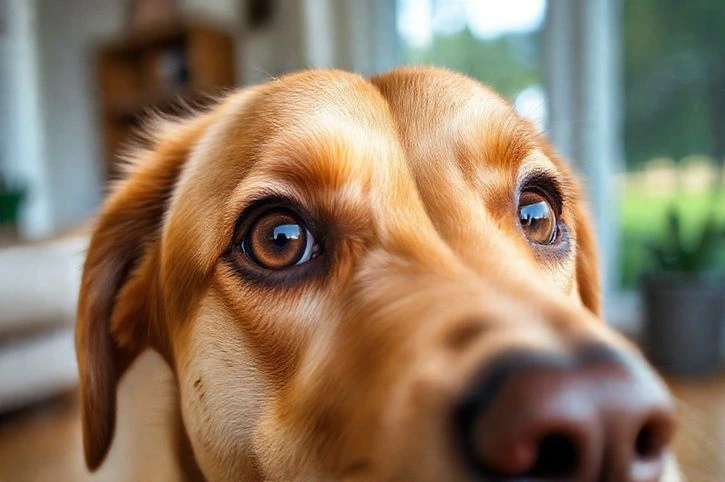
Healthy dog eyes should be clear, bright, and moist. You shouldn’t see any discharge, swelling, or irritation. There shouldn’t be any cloudiness, redness, or crusting around the eyelids. Your dog shouldn’t paw at their face or squint.
If your dog seems off, take it seriously. Just like humans, dogs can experience everything from allergies to serious infections. The difference is, they count on you to notice when something’s wrong.
Common Signs of Eye Problems in Dogs
Dogs often show discomfort with their eyes in ways that can be easy to miss. Some telltale signs that something might be off include:
- Rubbing or pawing at the eyes
- Squinting or keeping one eye closed
- Redness, swelling, or discharge around the eye
- Cloudiness or color changes in the eye
- Bumping into furniture or hesitating in familiar spaces
If you notice any of these signs, it’s smart to act quickly. Early detection gives you more options for treatment.
The Most Common Eye Conditions in Dogs
Not all eye conditions in dogs look the same. Some are more common than others. Here’s a breakdown of what you might see and what each could mean.
Conjunctivitis (Pink Eye)
Dogs can get conjunctivitis, which involves redness, swelling, and goopy discharge. It can be caused by infections, allergies, or irritants like dust or smoke. Conjunctivitis doesn’t always mean something serious, but it’s uncomfortable and can lead to bigger issues if ignored. Treating conjunctivitis quickly helps prevent spread and complications. If you’re looking for detailed info, this guide on common dog eye problems breaks down symptoms and care.
Cataracts
Cataracts appear as cloudy or white areas within the eye lens. You may notice your dog bumping into things or becoming less sure-footed. Cataracts can be genetic, age-related, or result from diabetes. While some cataracts develop slowly, others may threaten vision quickly. Regular vet checks are key to catching cataracts early.

Glaucoma
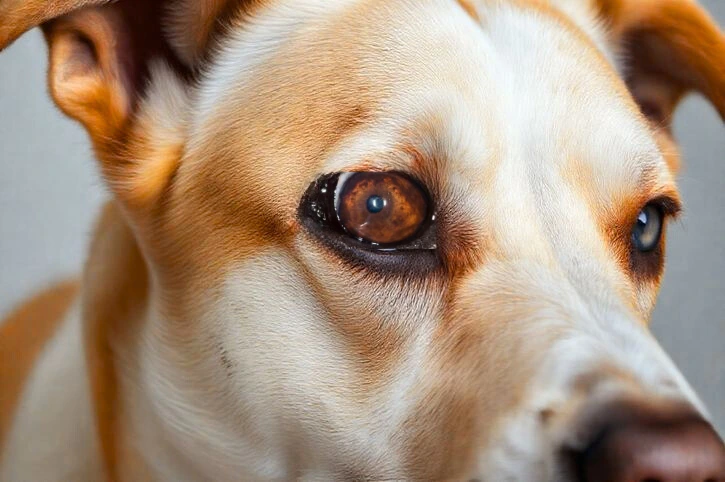
Glaucoma leads to increased pressure in the eye, causing swelling, redness, and pain. It can develop rapidly, and without treatment, may cause blindness. Dogs with glaucoma often squint, blink a lot, or show bulging eyes. If you spot any of these symptoms, urgent veterinary care is critical.
Corneal Ulcers
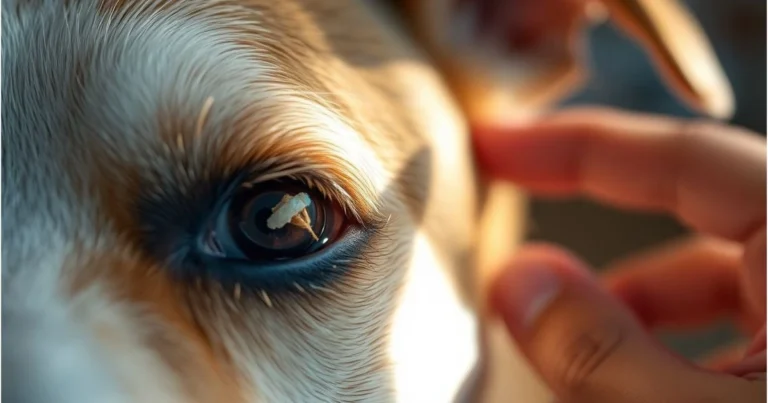
Corneal ulcers are painful sores on the clear front part of the eye. Causes range from injury and foreign bodies to infections and dry eye. Your dog may rub or paw at the affected eye or show extra tenderness. Without prompt care, corneal ulcers can cause vision loss or infection. For a deeper dive into these and similar conditions, this PetMD overview is very helpful.
Dry Eye (Keratoconjunctivitis Sicca)
Dry eye happens when tear production drops, leaving the surface of the eye unprotected. It leads to red, sticky, or irritated eyes and, if untreated, ulcers. Breeds like Cocker Spaniels and Bulldogs are more prone to dry eye. Daily tear replacement and medications help keep this chronic condition under control.
Cherry Eye
Cherry eye looks dramatic but is relatively common in certain breeds. Looking into your dog’s eye, you may see a red, swollen mass at the inner corner—this is the prolapsed gland of the third eyelid. While not an emergency, it’s worth discussing with your vet, as untreated cherry eye can lead to more serious issues.
Table: Key Symptoms of Common Eye Conditions in Dogs
| Condition | Main Symptoms | Possible Causes | Urgency |
|---|---|---|---|
| Conjunctivitis | Red, swollen, discharge | Allergies, infection | Medium |
| Cataracts | Cloudy eyes, vision loss | Genetics, aging, diabetes | Medium-High |
| Glaucoma | Bulging, pain, redness | Pressure build-up | High (urgent) |
| Corneal Ulcers | Squinting, pain, redness | Injury, infection | High (urgent) |
| Dry Eye | Sticky discharge, redness | Low tear production | Medium (chronic) |
| Cherry Eye | Red lump in eye corner | Weak eyelid tissue | Low-Medium |
Causes and Risk Factors
There’s rarely just one cause for eye conditions in dogs. Sometimes it’s an infection, other times it’s trauma (like a scratch), genetics, or the result of aging. Certain breeds—think Pugs, Bulldogs, and Spaniels—tend to have more trouble with eyes due to their unique structure and genetics.
Allergies, dust, and household chemicals can irritate your pup’s eyes just as easily as yours. If your home has strong cleaning products or if your dog loves to stick their head out the car window, those exposures can add up over time.
When to See the Vet for Dog Eye Problems
Some eye conditions in dogs can clear up with simple care, but others need a vet’s expertise. If your dog’s eye is bulging, extremely red, or leaking pus, seek urgent care. These signs can point to infections, glaucoma, or injury. Quick treatment can mean the difference between full recovery and long-term issues.
For changes like cloudiness, repeated squinting, or persistent tearing, it’s wise to book a vet appointment soon. Your vet may suggest specialized tests to check tear production, pressure, or look for injuries. If you want to learn about advanced diagnostics and conditions, the experts at Veterinary Vision Center provide a thorough list of common canine eye conditions.
Tips to Help Prevent Eye Conditions in Dogs
While you can’t prevent every problem, you can lower your dog’s risks with some simple habits:
- Keep your dog’s eyes clean: Use a gentle, damp cloth to remove crust and dirt.
- Trim fur near the eyes: Prevent hair from irritating the eyes.
- Discourage head-out-the-window rides: Debris and wind can cause injury.
- Monitor allergy symptoms: Limit exposure to smoke, dust, or strong odors.
- See the vet for eye changes: Early attention avoids more severe problems.
Your dog’s diet also plays a role in supporting immune health and skin—both of which affect eye comfort. If you’re interested in options for your dog’s overall vitality, nutrient-rich food can make a difference.
Long-Term Care and Living with Eye Conditions
Many dogs live full, happy lives after eye problems with a bit of help. If your dog needs daily eye drops or regular check-ups, add them to your normal routine. Use treats or gentle praise to make the process easier for you both.
If vision loss develops, rearrange furniture, avoid moving things around, and use scent cues to help your dog get around. Dogs adapt quickly, often using their other senses to compensate for sight changes.
Conclusion: Protect Your Pup’s Window to the World
Watching your dog struggle with eye conditions isn’t easy. But with attention, quick action, and regular care, you can catch issues early and keep your best friend comfortable. Remember, you’re your dog’s best advocate. Trust your instincts, stay observant, and never hesitate to ask your vet about changes in your dog’s eyes. Taking these simple steps can preserve your dog’s vision and quality of life for years to come.
For even more insights into eye health and what steps can support your dog’s wellbeing, the Canine Eye Health Guide by the AKC Canine Health Foundation offers science-backed resources for curious pet parents. Healthy eyes mean a happier, more vibrant dog—and peace of mind for you.
FAQ
Q1: How do I know if my dog’s got an eye problem?
A: Keep an eye out for squinting, your dog pawing at its eyes, redness, swelling, discharge, any cloudiness, or if you spot changes in how they see or act.
Q2: What eye problems do dogs usually get?
A: Dogs often get things like conjunctivitis (pink eye), cataracts, glaucoma, corneal ulcers, dry eye, and cherry eye.
Q3: Do some dog breeds have more eye trouble than others?
A: Yes, some breeds like Pugs, Bulldogs, Spaniels, and Cocker Spaniels tend to have more problems because of their face shape and genes.
Q4: When should I get my dog to the vet for their eyes?
A: If your dog’s eyes are bulging, really red, have pus, or they seem to be in pain, get them to a vet ASAP. For things that hang around like constant tearing, cloudiness, or squinting, book a vet visit soon too.
Q5: Can I stop my dog from getting eye problems?
A: You can cut down the chances by keeping their eyes clean, trimming the hair around their eyes, not letting them near things that could irritate them, watching for any signs, and feeding them good food.