Why Do Cats Groom Each Other ? 7 Fascinating Reasons Explained
Table of Contents
Why Do Cats Groom Each Other ?
Cats are known for their independent nature and unique behaviors, but one of the most endearing and intriguing practices they engage in is grooming each other, also known as allo-grooming. This social activity transcends mere cleanliness; it plays a vital role in their relationships and overall well-being. From reinforcing bonds of trust to communicating through scent, mutual grooming serves multiple purposes that highlight the complexity of feline social structures. In this article, we will explore seven fascinating reasons why cats groom each other, shedding light on the deeper meanings behind this affectionate behavior.
Understanding Cat Grooming Behavior
What is Grooming?
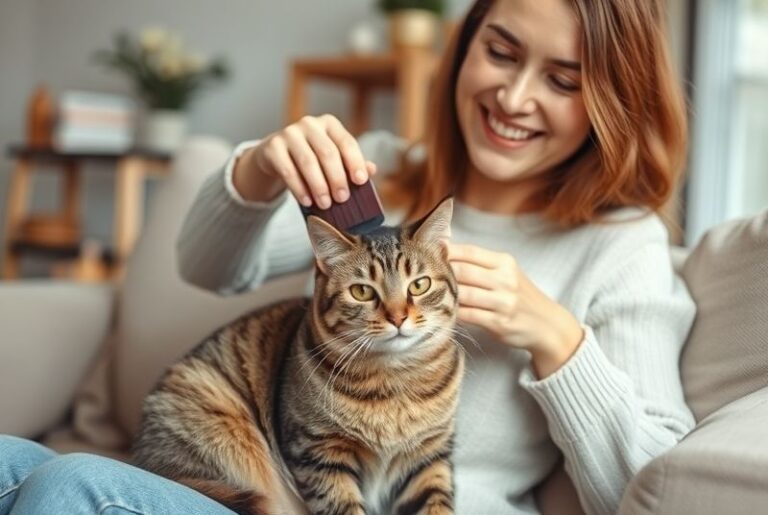
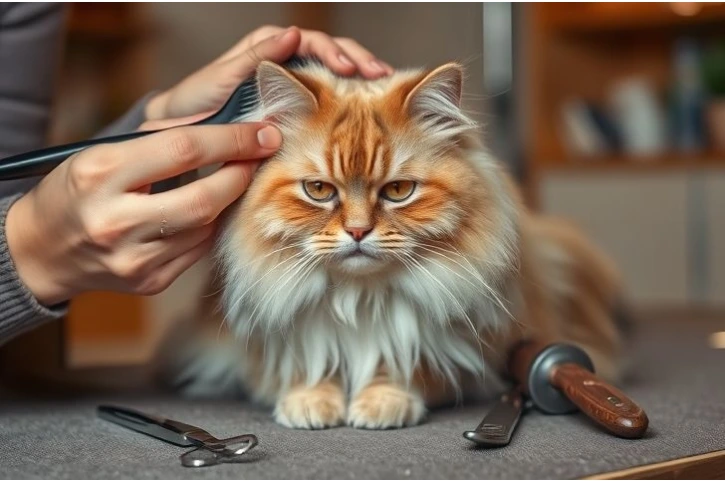
Grooming is a universal cat pastime that involves licking, nibbling, and fussing over oneself or another cat. Think of it as their version of a spa day, but instead of cucumber slices on their eyes, they get to enjoy a thorough cleaning session. Not only does grooming keep their fur pristine and free from dirt, but it also helps regulate their body temperature and stimulate blood circulation. Plus, it’s a great way to maintain the family resemblance—because nothing says “I love you” quite like a good ol’ bath!
Types of Grooming: Self vs. Allo-grooming
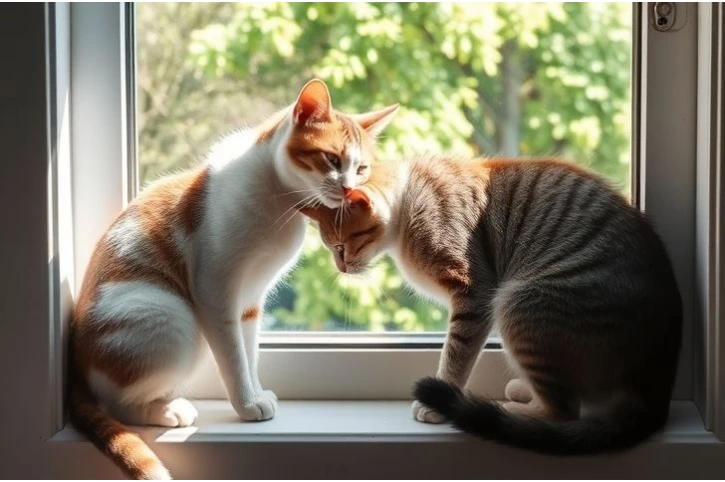
Cats engage in two primary types of grooming: self-grooming and allo-grooming. Self-grooming, as the name implies, is when a cat takes on the responsibility of maintaining its own fur. This solo spa session helps them relax and chill out (just like binge-watching their favorite show). On the flip side, allo-grooming is a social activity where one cat grooms another. This can be likened to a group therapy session—except instead of talking about feelings, they’re sharing fur and bonding. Both types of grooming serve essential roles in a cat’s life, blending self-care with socialization.
The Social Bond: Strengthening Relationships
Grooming as a Social Activity
Grooming isn’t just about hygiene; it’s a full-blown social event for cats. When two kitties engage in allo-grooming, they’re partaking in a delightful ritual that strengthens their bond—think of it as a kitty handshake, but way more adorable. Through this mutual grooming, they reinforce social hierarchies and maintain harmony within their feline community. It’s like a furry version of team-building exercises, minus the awkward trust falls.
Building Trust Through Grooming
Grooming another cat is a major show of trust. For cats, who can sometimes be as standoffish as a teenager at a family reunion, letting someone groom them can be a big deal. When a cat allows another to groom it, they’re saying, “I trust you not to bite my ear off.” This act fosters a sense of safety and camaraderie, reinforcing their relationships in ways that a simple head butt just can’t match.
Mutual Grooming: An Expression of Trust
Signs of a Trusting Relationship
If you catch your cats sharing a grooming session, it’s not just a grooming extravaganza; it’s a clear sign of a trusting relationship. You might see them purring, nuzzling, and even kneading as they groom each other. These behaviors indicate they feel secure and affectionate towards one another. So, if your feline friends are grooming each other, congratulations—your living room is now officially a feline love fest!
The Psychology Behind Mutual Grooming
The psychology of mutual grooming is as complex as a cat’s decision-making process (which is to say, quite puzzling). This behavior goes beyond simple cleanliness; it’s intertwined with the cat’s instinctual need for social bonding and security. Grooming triggers the release of endorphins, making the experience enjoyable for both parties involved. So while they might seem like furry little cleaning machines, they’re actually engaging in a heartfelt bonding session, reinforcing their purr-fectly entwined lives.
The Role of Scent in Cat Communication
How Scent Influences Social Dynamics
In the world of cats, scent is king. When grooming, cats spread their unique pheromones onto those they groom, effectively saying, “You’re part of my family now!” This olfactory exchange helps establish relationships and social hierarchies, with scent serving as a bonding agent more potent than any catnip. It’s a sophisticated way of saying, “I love you,” without uttering a single meow.
Marking Territory Through Grooming
Grooming also plays a part in marking territory, transforming your cozy abode into a fragrant fortress. When cats groom each other, they leave their scent on one another, which can deter other cats from intruding on their turf. It’s like a fluffy version of signing a lease agreement—no squatter cats allowed! So, when you see your cats having a grooming session, remember they’re not just being all cute and cuddly; they’re also making sure everyone knows who the top cat really is.
Grooming as a Stress-Relief Mechanism
Reducing Anxiety in Cats
Just like a cozy blanket and a cup of tea does wonders for our stress levels, grooming can help cats chill out too. When cats groom each other, they’re not just fluffing up their pals’ fur—it’s a way to bond and create a safe space. This mutual grooming, also known as allogrooming, produces calming pheromones that can help reduce anxiety levels. So, the next time you see your cat giving their buddy a spa day, know that they’re not just getting all up in each other’s business; they’re working hard to keep those nerves at bay.
The Therapeutic Effects of Grooming
Grooming isn’t just about looking good; it’s a full-on relaxation therapy session. The rhythmic motion of licking can release endorphins, the body’s natural feel-good chemicals, which can create a sense of euphoria—if only our self-care routines were so straightforward! For cats, this gentle act serves as a bonding ritual that fosters social connections, making them feel more comfortable and secure in their territory. Who knew that fur and drool could be so therapeutic?
Health Benefits of Grooming for Cats
Maintaining Hygiene and Coat Health
When it comes to cleanliness, cats are the meticulous roommates we all wish we had. Grooming each other helps remove dirt, debris, and loose fur, keeping their coats shiny and healthy. It’s like a luxurious spa day that also doubles as a mini workout, thanks to all that stretching and bending. Plus, by ensuring proper hygiene, cats can reduce the risk of skin infections and parasites—because nobody wants to host a flea party in their fur!
Identifying Health Issues Through Grooming
In the world of feline friendships, grooming can be a little like a health check-up. When one cat is busy grooming another, they can spot things like unusual bumps, skin irritations, or even weird smells that might signal a problem. If you catch your cat spending a little extra time on their buddy’s back leg, they might be onto something. So, if you notice any changes in your cat’s grooming habits (or their buddy’s), it could be a subtle hint that a vet visit is in order!
The Instinctual Origins of Grooming Behavior
Evolutionary Perspectives on Grooming
Grooming behavior has deep evolutionary roots. In the wild, grooming serves multiple purposes beyond just good hygiene. It reinforces social bonds and establishes hierarchies—because, let’s face it, someone has to be the alpha cat. This instinctive behavior has been passed down through generations, allowing cats to maintain their social structures and build lasting friendships. Who knew grooming could be a cat’s way of signaling, “You’re my BFF for life!”?
Grooming in the Wild vs. Domestic Cats
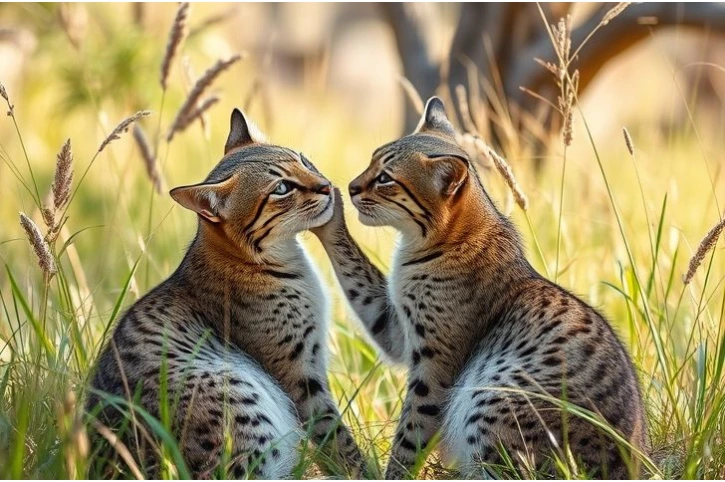
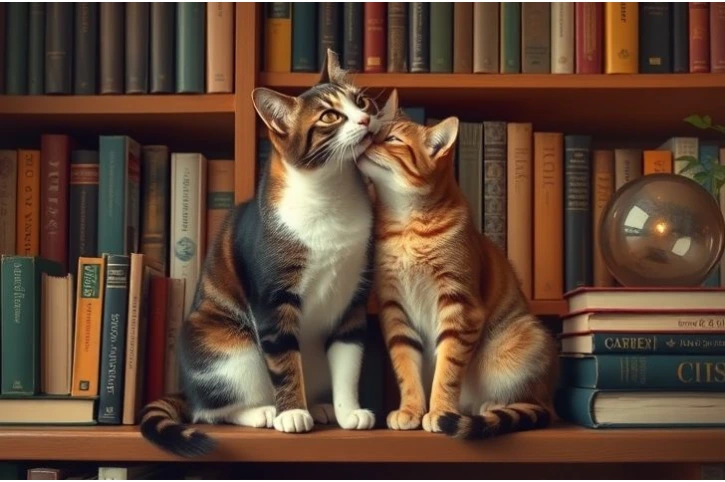
In the wild, grooming is a critical survival strategy. It keeps the fur clean and free of parasites, which is a big deal when you’re trying to avoid becoming dinner for a hungry predator. For domestic cats, however, things are a bit different. While their lives are mostly all about snoozing in sunbeams and chasing laser pointers, the instinct to groom still remains strong. Even in cozy homes, cats will stick to their grooming rituals, maintaining their wild ancestry in a world filled with comfy cat trees and endless treats. Their instincts might be saying “hunt,” but their daily lives are definitely “nap and groom.”In conclusion, the act of cats grooming each other is a multifaceted behavior that goes beyond hygiene. It fosters social bonds, communicates trust, and contributes to their emotional and physical health. Understanding these nuances deepens our appreciation for our feline friends and the intricate ways they interact with one another. By recognizing the significance of mutual grooming, we can better support their well-being and nurture their relationships, both with each other and with us.
Frequently Asked Questions
1. Why do cats groom each other more than they groom themselves?
Cats often groom each other as a social bonding activity, which helps strengthen their relationships and provides comfort. While self-grooming is essential for hygiene, allo-grooming serves a more communal purpose.
2. Is mutual grooming a sign of stress in cats ?
Not necessarily. While grooming can indicate stress relief, mutual grooming is generally a sign of trust and affection among cats. However, if grooming becomes excessive or is accompanied by signs of distress, it may warrant further investigation.
3. Can grooming help with a cat’s health ?
Yes, mutual grooming can help maintain a cat’s coat health and hygiene. It can also help identify potential health issues, as cats may notice changes in each other’s skin or coat condition.
4. Do all cats engage in grooming behavior?
While most cats exhibit some form of grooming behavior, the extent and frequency can vary based on factors such as personality, socialization, and the presence of other cats. Some cats may prefer to groom themselves rather than engage in allo-grooming.